Showing posts with label organic gardening. Show all posts
Showing posts with label organic gardening. Show all posts
Thursday, April 09, 2009
What the Heck is GreenSand?


Friday, March 27, 2009
Throw an Eco Potting Party
Forget the standard, stuffy dinner party you were hosting on Saturday night. Instead, treat your guests to an event that’s fresher, more fun and – best of all – environmentally friendly: Invite them to a “Potting Party!” You supply the backyard and a selection of planting containers. Your guests bring potting soil and seeds. While the burgers sizzle on the grill, everybody’s busy planning and planting a gorgeous new mini-garden to take home when the party’s over.
Yardiac brings fashion and function to the party with our collection of Eco-Friendly Pottery. Designed to replace wood, plastic or clay containers, these pots are made from byproducts of renewable sustainable materials such as rice straw, wheat straw, bamboo and reeds.
Eco-Friendly Pottery withstands years of rain, humidity, heat, freezing and thawing. What's more, these pots are so resilient and environmentally friendly, you can even plant them. And three attractive organic color selections (Chocolate, Goldenrod and Moss) mean you can be both environmentally conscious and style conscious. Best of all, once their useful life is over, you can toss Eco-Friendly Pottery in good conscience, knowing these containers will quickly break down into nutrient-rich organic matter in the landfill.
Wednesday, February 13, 2008
Understanding Plant Nutrition
Eighteen elements are considered essential for plant growth. Carbon, hydrogen, and oxygen are p rimarily supplied by air and water. Plant roots absorb the remaining 15 elements from the surrounding soil.
These elements are divided into three groups based on their relative abundance in plants: Primary Nutrients (or Major Nutrients), Secondary Nutrients (or Minor Nutrients), and Trace Nutrients (or Micronutrients). Although the Major Nutrients are needed in the greatest quantities, a deficiency of any one nutrient can prevent plant growth, or reduce it to unsatisfactory levels. Even though some soils may already contain these nutrients, they may not be in a form available for plant growth. The best way to ensure that all of the nutrients are available in the soil is through regular applications of plant foods.
Here you will see an explanation of the Primary Nutrients, and why they are  necessary. Espoma Tones contain ALL 15 essential nutrients; So, they can cure all of the nutrient deficiencies discussed here. Espoma Tones are very safe, and environmentally responsible products, which promote the health and well being of our surroundings, and those of our children.
Nitrogen promotes vigorous growth and dark green color. If you have a deficiency, you may notice light green leaves, or stunted growth. Good solutions include dried blood, garden manure, cottonseed meal, ammonium sulfate, and urea.
The function of phosphorus is root development & flowering. Deficiency symptoms include smaller yields of seeds, and fruit, and purplish leaves, stems, and branches.Rock ph osphate, bone meal, single superphosphate, and triple superphosphate are all good solutions to this problem.
Potassium gives plants overall hardiness and disease resistance. Reduced yields, spotted or curled leaves, and weak root systems are all signs of a problem. Try sulfate of potash, sulfate of potash magnesia, muriate of potash, or greensand, to take care of the issue.
Friday, January 18, 2008
Killing Weeds Wth Heat - Not Chemicals
 Yardiac.com has just discovered and is introducing NatureZap an electric weed-treatment tool that allows you to safely eliminate weeds using heat, not hazardous chemicals.
Nature Zap Weed Killer features thermogenic weed control. “When you place a heated element into a weed’s root, you start the natural process that kills the weed,” inventor John Jackson explains. NatureZap applies just the right amount of heat to the root, root crown, and leaves of weeds to disrupt normal plant function. This disruption makes weeds susceptible to the aggressive naturally occurring fungus that in turn decomposes the weeds’ roots. Although other weed-treatment systems that use heat (e.g., flames) are available, they aren’t as effective as NatureZap. Our product applies heat directly to the root, not just the surface.”
Yardiac.com has just discovered and is introducing NatureZap an electric weed-treatment tool that allows you to safely eliminate weeds using heat, not hazardous chemicals.
Nature Zap Weed Killer features thermogenic weed control. “When you place a heated element into a weed’s root, you start the natural process that kills the weed,” inventor John Jackson explains. NatureZap applies just the right amount of heat to the root, root crown, and leaves of weeds to disrupt normal plant function. This disruption makes weeds susceptible to the aggressive naturally occurring fungus that in turn decomposes the weeds’ roots. Although other weed-treatment systems that use heat (e.g., flames) are available, they aren’t as effective as NatureZap. Our product applies heat directly to the root, not just the surface.”
 “Using dandelions as the weed subject, we experimented with both temperature and heat duration to see what was needed to cause enough of a change in the soil’s temperature to effectively kill the weed’s root,” said Dr. Cadance Lowell, chair of the Department of Natural Sciences at Central State. “Stabbing the weed’s root and heating it to 400 °F cuts off the water supply to the bottom of the root and causes cellular damage that kills it.”
NatureZap’s technology allows users to target weeds without worrying about killing flowers, plants and grass from over spraying or over exposure to chemicals. That’s not the case when you use chemicals,” notes Jackson . NatureZap is also safe to use around children and pets. “Because heat is used to treat weeds,” Jackson continues, “you don’t have
“Using dandelions as the weed subject, we experimented with both temperature and heat duration to see what was needed to cause enough of a change in the soil’s temperature to effectively kill the weed’s root,” said Dr. Cadance Lowell, chair of the Department of Natural Sciences at Central State. “Stabbing the weed’s root and heating it to 400 °F cuts off the water supply to the bottom of the root and causes cellular damage that kills it.”
NatureZap’s technology allows users to target weeds without worrying about killing flowers, plants and grass from over spraying or over exposure to chemicals. That’s not the case when you use chemicals,” notes Jackson . NatureZap is also safe to use around children and pets. “Because heat is used to treat weeds,” Jackson continues, “you don’t have  to worry about your children or your pets walking on the grass right after you’ve used NatureZap.”
Extensive research and testing was done on NatureZap before bringing it to market. Students at Central State University ’s Department of Natural Sciences were instrumental in the initial research and testing.
Don't miss the video! All you have to do is click on the picture above.
to worry about your children or your pets walking on the grass right after you’ve used NatureZap.”
Extensive research and testing was done on NatureZap before bringing it to market. Students at Central State University ’s Department of Natural Sciences were instrumental in the initial research and testing.
Don't miss the video! All you have to do is click on the picture above.
Tuesday, October 23, 2007
Organic Fertilizer
There is a lot to learn about organic fertilizing. It can be very intimidating for someone who is new to the idea. Most occasional gardeners probably visit their local hardware store, and and come back with whatever they see on the end of the row. If you dig into the subject a li ttle deeper, you will find that there are some very good reasons to look a little further. You may even have to visit a specialty garden center, but the results will be unparallelled.
 Organic fertilizer is made of organic matter, such as kelp, cotton, bone, or manure. Chemical fertilizers are mostly derived from things like petroleum, or some other non-renewable resources. Continued application of chemicals have reduced much of the biological life that contributes to the efficient use of many plant nutrients.
Neptune's Harvest Fish Hydrolysate is made from made from fresh North Atlantic fish, in a cold process that protects the vitamins, amino acids, enzymes and growth hormones. Because no oils or proteins are removed, the nutrients remain in the soil longer. It rebuilds soil and gives excellent plant growth with increased yields. You can see the results of this, in the pictures.
Neptune's Harvest Seaweed Plant Food contains over 60 nutrients and amino acids. This gives your plants a color booster, and also allows them to be more resistant to early frost, extreme heat, and dry conditions. Use it when germinating to accelerate development of a healthy root system. It is a great addition to any fertilizer pr
Organic fertilizer is made of organic matter, such as kelp, cotton, bone, or manure. Chemical fertilizers are mostly derived from things like petroleum, or some other non-renewable resources. Continued application of chemicals have reduced much of the biological life that contributes to the efficient use of many plant nutrients.
Neptune's Harvest Fish Hydrolysate is made from made from fresh North Atlantic fish, in a cold process that protects the vitamins, amino acids, enzymes and growth hormones. Because no oils or proteins are removed, the nutrients remain in the soil longer. It rebuilds soil and gives excellent plant growth with increased yields. You can see the results of this, in the pictures.
Neptune's Harvest Seaweed Plant Food contains over 60 nutrients and amino acids. This gives your plants a color booster, and also allows them to be more resistant to early frost, extreme heat, and dry conditions. Use it when germinating to accelerate development of a healthy root system. It is a great addition to any fertilizer pr ogram.
Neptune's Harvest Organic Fish/Seaweed Blend Fertilizer blends
ogram.
Neptune's Harvest Organic Fish/Seaweed Blend Fertilizer blends
ttle deeper, you will find that there are some very good reasons to look a little further. You may even have to visit a specialty garden center, but the results will be unparallelled.
Here's a good example. This is Don Young, from Ohio. He came in second, for the world record, in pumpkin growing, with a 1,662 pound pumpkin. He uses Neptune's Harvest, OMRI approved, organic fertilizers. There are three varieties: Hydrolyzed Fish Fertilizer, Organic Seaweed Fertilizer, and Fish and Seaweed Blend.
You may wonder how to tell what is organic, and what is not. You may also ask yourself why you should be concerned with organic fertilizing. Well, there are lots of good reasons, but we will try to keep it simple, here. Do a little researching, an you will find a wealth of knowledge, on the subject. Many gardeners post their finding, on blogs, like this one, for others to see. There is a lot to learn.
Organic fertilizer is made of organic matter, such as kelp, cotton, bone, or manure. Chemical fertilizers are mostly derived from things like petroleum, or some other non-renewable resources. Continued application of chemicals have reduced much of the biological life that contributes to the efficient use of many plant nutrients.
Neptune's Harvest Fish Hydrolysate is made from made from fresh North Atlantic fish, in a cold process that protects the vitamins, amino acids, enzymes and growth hormones. Because no oils or proteins are removed, the nutrients remain in the soil longer. It rebuilds soil and gives excellent plant growth with increased yields. You can see the results of this, in the pictures.
Neptune's Harvest Seaweed Plant Food contains over 60 nutrients and amino acids. This gives your plants a color booster, and also allows them to be more resistant to early frost, extreme heat, and dry conditions. Use it when germinating to accelerate development of a healthy root system. It is a great addition to any fertilizer program.
Neptune's Harvest Organic Fish/Seaweed Blend Fertilizer blends both products into one. Fish and Seaweed are known to build the natural sugar in plants. Flowers and foliage will be stronger and more colorful. Blooms will be more plentiful, fragrant and longer lasting.
Neptune's Harvest is very meticulously filtered, so that you will be able to apply it with a sprayer, with ease.
Hopefully this will spark your interest, in organic gardening, and inspire you. It is a great way to make contribution to our environment. If you are a member of a garden club, it is a great topic of discussion. Share your ideas with us!
Thursday, September 20, 2007
Organic Gardening Tips & FAQs
Frequently asked questions
Can you recommend any "vegetarian" fertilizers that do not contain animal by-products?
 There are a number of excellent plant-based fertilizers you can try. These include alfalfa pellets (5-1-2); kelp meal (1.5-.5-2.5); and seaweed liquid (.1-.1-1.0). The numbers in parenthesis after each product name indicate its nitrogen-phosphorus-potassium (N-P-K) ratio.
How can I improve my clay soil?
Soil preparation is very important to a successful garden or landscape. In clay or heavy soil it is advisable to add lots of well-rotted compost to help break up heavy soil particles, introduce microbial activity, add nutrients, and improve drainage. To sustain these positive benefits, you will need to amend your soil regularly throughout the life of the garden. Making your own compost is a good way to keep a supply on hand year-round. You can also improve clay soil by planting cover crops, also known as green manures, in the winter. Alfalfa, buckwheat, and white clover are all cover crops that loosen and add nitrogen to the soil. Rather than working with your existing soil, you might also consider constructing raised beds and filling them with a good-quality, all-purpose potting mix.
Whichever method you try, do not work with clay soil when it is wet as this forces the particles closer together. Compaction restricts proper gas exchange, the percolation of moisture and the normal growth of roots.
Are there any harmful side effects to using newspaper as a mulch?
Any risks from the slight amount of heavy metals present in the ink of daily newspapers are extremely remote. In fact, one environmentalist stated that to have any ill effect at all, you would have to eat twelve complete Sunday newpapers in one sitting! Newspapers are a great way to mulch your garden for weed control. Use a thick layer (no slick inserts) under your mulch and you will eliminate weed problems. Any that
There are a number of excellent plant-based fertilizers you can try. These include alfalfa pellets (5-1-2); kelp meal (1.5-.5-2.5); and seaweed liquid (.1-.1-1.0). The numbers in parenthesis after each product name indicate its nitrogen-phosphorus-potassium (N-P-K) ratio.
How can I improve my clay soil?
Soil preparation is very important to a successful garden or landscape. In clay or heavy soil it is advisable to add lots of well-rotted compost to help break up heavy soil particles, introduce microbial activity, add nutrients, and improve drainage. To sustain these positive benefits, you will need to amend your soil regularly throughout the life of the garden. Making your own compost is a good way to keep a supply on hand year-round. You can also improve clay soil by planting cover crops, also known as green manures, in the winter. Alfalfa, buckwheat, and white clover are all cover crops that loosen and add nitrogen to the soil. Rather than working with your existing soil, you might also consider constructing raised beds and filling them with a good-quality, all-purpose potting mix.
Whichever method you try, do not work with clay soil when it is wet as this forces the particles closer together. Compaction restricts proper gas exchange, the percolation of moisture and the normal growth of roots.
Are there any harmful side effects to using newspaper as a mulch?
Any risks from the slight amount of heavy metals present in the ink of daily newspapers are extremely remote. In fact, one environmentalist stated that to have any ill effect at all, you would have to eat twelve complete Sunday newpapers in one sitting! Newspapers are a great way to mulch your garden for weed control. Use a thick layer (no slick inserts) under your mulch and you will eliminate weed problems. Any that  do appear are very easy to pull. The paper will break down over time, adding organic material to your soil.
The following tips will help you maintain a healthy garden
Ensure that plants are healthy before adding them to your garden beds to avoid introducing pests or disease spores.
Water wisely Avoid overhead watering to prevent disease spores from washing onto healthy foliage. Using drip irrigation equipment not only prevents the spread of disease, but also helps to conserve water. Allow the soil to dry slightly between waterings to prevent fungal infections. Do not work among plants when they are wet to avoid the spread of water-borne diseases.
Remove and destroy severely infected plants or plant parts to avoid spreading diseases to healthy plants. Do not compost infected material. Clean your cutting tools with rubbing alcohol or a weak bleach solution between cuts when pruning diseased foliage.
Space plants widely to allow good air circulation. Crowded plants also tend to be weak and spindly, making them targets for pests and diseases.
Incorporate compost into the soil to introduce beneficial soil organisms and improve drainage.
Fertilize properly Nutrient deficiencies and imbalances make plants more attractive to pests. Overfertilization with nitrogen can cause lush, tender growth that attracts sucking pests such as aphids.
Controlling pests and diseases
do appear are very easy to pull. The paper will break down over time, adding organic material to your soil.
The following tips will help you maintain a healthy garden
Ensure that plants are healthy before adding them to your garden beds to avoid introducing pests or disease spores.
Water wisely Avoid overhead watering to prevent disease spores from washing onto healthy foliage. Using drip irrigation equipment not only prevents the spread of disease, but also helps to conserve water. Allow the soil to dry slightly between waterings to prevent fungal infections. Do not work among plants when they are wet to avoid the spread of water-borne diseases.
Remove and destroy severely infected plants or plant parts to avoid spreading diseases to healthy plants. Do not compost infected material. Clean your cutting tools with rubbing alcohol or a weak bleach solution between cuts when pruning diseased foliage.
Space plants widely to allow good air circulation. Crowded plants also tend to be weak and spindly, making them targets for pests and diseases.
Incorporate compost into the soil to introduce beneficial soil organisms and improve drainage.
Fertilize properly Nutrient deficiencies and imbalances make plants more attractive to pests. Overfertilization with nitrogen can cause lush, tender growth that attracts sucking pests such as aphids.
Controlling pests and diseases Despite your best efforts to prevent pests and diseases, infections and infestations may sometimes occur. The least harmful way to combat these intruders is through physical controls.
Install barriers, such as floating row covers, fences, netting, cutworm collars, and copper barrier tape, to protect your plants from future infestation or infection. Traps and repellents are other low-impact options for foiling insect and animal invaders.
If mechanical methods do not solve the problem, the next option is biological control. There are a number of biological control options available to the home gardener. Attract beneficial insects by creating a diverse ecosystem. Plant small-flowered nectar plants such as alyssum and dill to provide an additional food source for beneficials. Attract pest-eating birds, by placing birdhouses, birdbaths and feeders near your garden.
Bacillus thuringiensis (Bt) is a naturally occurring bacterium that acts as a stomach poison when consumed by certain pests, but it is harmless to beneficial insects.
Milky spore is a bacterial disease that specifically targets Japanese beetle larvae. Beneficial nematodes, microscopic soil-dwelling organisms, parasitize many harmful insect larvae.
The adage "An ounce of prevention is worth a pound of cure" also holds true in the garden. With proper maintenance, you can virtually eliminate pest and disease problems before they start.
Despite your best efforts to prevent pests and diseases, infections and infestations may sometimes occur. The least harmful way to combat these intruders is through physical controls.
Install barriers, such as floating row covers, fences, netting, cutworm collars, and copper barrier tape, to protect your plants from future infestation or infection. Traps and repellents are other low-impact options for foiling insect and animal invaders.
If mechanical methods do not solve the problem, the next option is biological control. There are a number of biological control options available to the home gardener. Attract beneficial insects by creating a diverse ecosystem. Plant small-flowered nectar plants such as alyssum and dill to provide an additional food source for beneficials. Attract pest-eating birds, by placing birdhouses, birdbaths and feeders near your garden.
Bacillus thuringiensis (Bt) is a naturally occurring bacterium that acts as a stomach poison when consumed by certain pests, but it is harmless to beneficial insects.
Milky spore is a bacterial disease that specifically targets Japanese beetle larvae. Beneficial nematodes, microscopic soil-dwelling organisms, parasitize many harmful insect larvae.
The adage "An ounce of prevention is worth a pound of cure" also holds true in the garden. With proper maintenance, you can virtually eliminate pest and disease problems before they start.
There are a number of excellent plant-based fertilizers you can try. These include alfalfa pellets (5-1-2); kelp meal (1.5-.5-2.5); and seaweed liquid (.1-.1-1.0). The numbers in parenthesis after each product name indicate its nitrogen-phosphorus-potassium (N-P-K) ratio.
How can I improve my clay soil?
Soil preparation is very important to a successful garden or landscape. In clay or heavy soil it is advisable to add lots of well-rotted compost to help break up heavy soil particles, introduce microbial activity, add nutrients, and improve drainage. To sustain these positive benefits, you will need to amend your soil regularly throughout the life of the garden. Making your own compost is a good way to keep a supply on hand year-round. You can also improve clay soil by planting cover crops, also known as green manures, in the winter. Alfalfa, buckwheat, and white clover are all cover crops that loosen and add nitrogen to the soil. Rather than working with your existing soil, you might also consider constructing raised beds and filling them with a good-quality, all-purpose potting mix.
Whichever method you try, do not work with clay soil when it is wet as this forces the particles closer together. Compaction restricts proper gas exchange, the percolation of moisture and the normal growth of roots.
Are there any harmful side effects to using newspaper as a mulch?
Any risks from the slight amount of heavy metals present in the ink of daily newspapers are extremely remote. In fact, one environmentalist stated that to have any ill effect at all, you would have to eat twelve complete Sunday newpapers in one sitting! Newspapers are a great way to mulch your garden for weed control. Use a thick layer (no slick inserts) under your mulch and you will eliminate weed problems. Any that do appear are very easy to pull. The paper will break down over time, adding organic material to your soil.
The following tips will help you maintain a healthy garden
Ensure that plants are healthy before adding them to your garden beds to avoid introducing pests or disease spores.
Water wisely Avoid overhead watering to prevent disease spores from washing onto healthy foliage. Using drip irrigation equipment not only prevents the spread of disease, but also helps to conserve water. Allow the soil to dry slightly between waterings to prevent fungal infections. Do not work among plants when they are wet to avoid the spread of water-borne diseases.
Remove and destroy severely infected plants or plant parts to avoid spreading diseases to healthy plants. Do not compost infected material. Clean your cutting tools with rubbing alcohol or a weak bleach solution between cuts when pruning diseased foliage.
Space plants widely to allow good air circulation. Crowded plants also tend to be weak and spindly, making them targets for pests and diseases.
Incorporate compost into the soil to introduce beneficial soil organisms and improve drainage.
Fertilize properly Nutrient deficiencies and imbalances make plants more attractive to pests. Overfertilization with nitrogen can cause lush, tender growth that attracts sucking pests such as aphids.
Controlling pests and diseases
Despite your best efforts to prevent pests and diseases, infections and infestations may sometimes occur. The least harmful way to combat these intruders is through physical controls.
Install barriers, such as floating row covers, fences, netting, cutworm collars, and copper barrier tape, to protect your plants from future infestation or infection. Traps and repellents are other low-impact options for foiling insect and animal invaders.
If mechanical methods do not solve the problem, the next option is biological control. There are a number of biological control options available to the home gardener. Attract beneficial insects by creating a diverse ecosystem. Plant small-flowered nectar plants such as alyssum and dill to provide an additional food source for beneficials. Attract pest-eating birds, by placing birdhouses, birdbaths and feeders near your garden.
Bacillus thuringiensis (Bt) is a naturally occurring bacterium that acts as a stomach poison when consumed by certain pests, but it is harmless to beneficial insects.
Milky spore is a bacterial disease that specifically targets Japanese beetle larvae. Beneficial nematodes, microscopic soil-dwelling organisms, parasitize many harmful insect larvae.
The adage "An ounce of prevention is worth a pound of cure" also holds true in the garden. With proper maintenance, you can virtually eliminate pest and disease problems before they start.
Wednesday, September 19, 2007
First Steps: Organic Gardening
First steps
Now that you've decided to try your hand at organic gardening, you might be wondering how to begin. Here are a few suggestions to get you started:
Learn about gardening and plants. Garden forums, are a great place to start. You can also hone your skills by reading a good gardening book or two. Consider joining a local garden club or  enrolling in a class to learn about gardening while meeting other gardeners in your area.
Plan your garden carefully and keep good records. Learn as much as possible about the types of plants you want to grow and select varieties that are well-suited to your particular growing conditions. Design your garden beforehand to ensure your plants receive the proper spacing and growing conditions. (You can use Yardiac.com's Landscape Vision software to design your garden right on your desktop!) Record your successes and failures in a notebook or journal and refer to these notes when planning next year's garden.
Get to know your soil. Your County Cooperative Extension Service can provide a kit and instructions for having your soil tested (by a professional lab) or you can do it yourself using a soil test kit. Correct any deficiencies with natural soil Click here for information on amending your soil.
Start composting! Recycle garden wastes while improving the soil.
Prevent pest and disease problems before they develop.
Mulch! Mulching helps to control weeds, retain soil moisture, regulate soil temperature, check the spread of disease, protect plants from extreme
enrolling in a class to learn about gardening while meeting other gardeners in your area.
Plan your garden carefully and keep good records. Learn as much as possible about the types of plants you want to grow and select varieties that are well-suited to your particular growing conditions. Design your garden beforehand to ensure your plants receive the proper spacing and growing conditions. (You can use Yardiac.com's Landscape Vision software to design your garden right on your desktop!) Record your successes and failures in a notebook or journal and refer to these notes when planning next year's garden.
Get to know your soil. Your County Cooperative Extension Service can provide a kit and instructions for having your soil tested (by a professional lab) or you can do it yourself using a soil test kit. Correct any deficiencies with natural soil Click here for information on amending your soil.
Start composting! Recycle garden wastes while improving the soil.
Prevent pest and disease problems before they develop.
Mulch! Mulching helps to control weeds, retain soil moisture, regulate soil temperature, check the spread of disease, protect plants from extreme  weather conditions, and more
Amending your soil
Organic matter
There are few things as important to successful organic gardening as adding organic matter to the soil. The term "organic matter" refers to various forms of living or dead plant and animal material. Organic matter is an essential component of healthy soil for a number of reasons:
It loosens the soil structure, improving drainage and allowing better root penetration.
It improves nutrient and water retention.
It increases the activity and populations of soil organisms.
It helps combat pest and disease problems.
It encourages earthworms, which aerate and enrich the soil.
You can add organic material to your soil by digging or tilling it into the top
weather conditions, and more
Amending your soil
Organic matter
There are few things as important to successful organic gardening as adding organic matter to the soil. The term "organic matter" refers to various forms of living or dead plant and animal material. Organic matter is an essential component of healthy soil for a number of reasons:
It loosens the soil structure, improving drainage and allowing better root penetration.
It improves nutrient and water retention.
It increases the activity and populations of soil organisms.
It helps combat pest and disease problems.
It encourages earthworms, which aerate and enrich the soil.
You can add organic material to your soil by digging or tilling it into the top  several inches of the soil or by mulching with it. However, organic matter does not remain in the soil. The natural process of decay gradually converts organic matter to a very stable form called humus. Humus is composed of simpler compounds that are utilized by plants as food. Therefore, to maintain a healthy, humus-rich soil, you must add organic matter to your garden every year.
You can slow the loss of organic matter by cultivating the soil gently, keeping the soil surface mulched during the growing season, and mulching or planting a cover crop during the winter.
Try to maintain 5-6% organic matter in your soil. A good guideline is to add about 1 inch of finished compost or other fine-textured organic matter to your soil each year. Apply a thicker layer -- about 4 inches -- if you use a bulkier material, such as chopped leaves or straw, because there is less organic matter per volume. You may need to add organic matter
several inches of the soil or by mulching with it. However, organic matter does not remain in the soil. The natural process of decay gradually converts organic matter to a very stable form called humus. Humus is composed of simpler compounds that are utilized by plants as food. Therefore, to maintain a healthy, humus-rich soil, you must add organic matter to your garden every year.
You can slow the loss of organic matter by cultivating the soil gently, keeping the soil surface mulched during the growing season, and mulching or planting a cover crop during the winter.
Try to maintain 5-6% organic matter in your soil. A good guideline is to add about 1 inch of finished compost or other fine-textured organic matter to your soil each year. Apply a thicker layer -- about 4 inches -- if you use a bulkier material, such as chopped leaves or straw, because there is less organic matter per volume. You may need to add organic matter  more frequently in the South and West as organic material can break down twice as quickly in hot soils as it does in cooler soils. Take care not to overdo it, particularly with fresh organic matter such as grass clippings, kitchen waste, and green weeds. Adding too much fresh organic matter can overstimulate soil microorganisms -- which can consume a great deal of nitrogen and other plant nutrients, causing temporary declines in soil fertility -- or even burn your plants' roots.
Mineral supplements
There are several organic soil amendments that can correct specific pH and mineral imbalances. In general, you should only use them if a soil test or plant analysis indicates a deficiency. Adding too much of a mineral supplement can create an excess of a particular nutrient that can damage your plants or interfere with the uptake of other nutrients. It is a good idea to do a little research, to learn more about mineral supplements and their recommended uses, before adding anything to your soil.
more frequently in the South and West as organic material can break down twice as quickly in hot soils as it does in cooler soils. Take care not to overdo it, particularly with fresh organic matter such as grass clippings, kitchen waste, and green weeds. Adding too much fresh organic matter can overstimulate soil microorganisms -- which can consume a great deal of nitrogen and other plant nutrients, causing temporary declines in soil fertility -- or even burn your plants' roots.
Mineral supplements
There are several organic soil amendments that can correct specific pH and mineral imbalances. In general, you should only use them if a soil test or plant analysis indicates a deficiency. Adding too much of a mineral supplement can create an excess of a particular nutrient that can damage your plants or interfere with the uptake of other nutrients. It is a good idea to do a little research, to learn more about mineral supplements and their recommended uses, before adding anything to your soil.
enrolling in a class to learn about gardening while meeting other gardeners in your area.
Plan your garden carefully and keep good records. Learn as much as possible about the types of plants you want to grow and select varieties that are well-suited to your particular growing conditions. Design your garden beforehand to ensure your plants receive the proper spacing and growing conditions. (You can use Yardiac.com's Landscape Vision software to design your garden right on your desktop!) Record your successes and failures in a notebook or journal and refer to these notes when planning next year's garden.
Get to know your soil. Your County Cooperative Extension Service can provide a kit and instructions for having your soil tested (by a professional lab) or you can do it yourself using a soil test kit. Correct any deficiencies with natural soil Click here for information on amending your soil.
Start composting! Recycle garden wastes while improving the soil.
Prevent pest and disease problems before they develop.
Mulch! Mulching helps to control weeds, retain soil moisture, regulate soil temperature, check the spread of disease, protect plants from extreme weather conditions, and more
Amending your soil
Organic matter
There are few things as important to successful organic gardening as adding organic matter to the soil. The term "organic matter" refers to various forms of living or dead plant and animal material. Organic matter is an essential component of healthy soil for a number of reasons:
It loosens the soil structure, improving drainage and allowing better root penetration.
It improves nutrient and water retention.
It increases the activity and populations of soil organisms.
It helps combat pest and disease problems.
It encourages earthworms, which aerate and enrich the soil.
You can add organic material to your soil by digging or tilling it into the top several inches of the soil or by mulching with it. However, organic matter does not remain in the soil. The natural process of decay gradually converts organic matter to a very stable form called humus. Humus is composed of simpler compounds that are utilized by plants as food. Therefore, to maintain a healthy, humus-rich soil, you must add organic matter to your garden every year.
You can slow the loss of organic matter by cultivating the soil gently, keeping the soil surface mulched during the growing season, and mulching or planting a cover crop during the winter.
Try to maintain 5-6% organic matter in your soil. A good guideline is to add about 1 inch of finished compost or other fine-textured organic matter to your soil each year. Apply a thicker layer -- about 4 inches -- if you use a bulkier material, such as chopped leaves or straw, because there is less organic matter per volume. You may need to add organic matter more frequently in the South and West as organic material can break down twice as quickly in hot soils as it does in cooler soils. Take care not to overdo it, particularly with fresh organic matter such as grass clippings, kitchen waste, and green weeds. Adding too much fresh organic matter can overstimulate soil microorganisms -- which can consume a great deal of nitrogen and other plant nutrients, causing temporary declines in soil fertility -- or even burn your plants' roots.
Mineral supplements
There are several organic soil amendments that can correct specific pH and mineral imbalances. In general, you should only use them if a soil test or plant analysis indicates a deficiency. Adding too much of a mineral supplement can create an excess of a particular nutrient that can damage your plants or interfere with the uptake of other nutrients. It is a good idea to do a little research, to learn more about mineral supplements and their recommended uses, before adding anything to your soil.
Monday, September 17, 2007
Introduction to Organic Gardening
The term "organic" is being used with increasing frequency as we become ever more concerned with the safety and quality of our  environment and the foods we eat. Despite this common usage, much confusion remains as to what "organic gardening" entails.
Simply stated, organic gardening combines an understanding of nature with long-established gardening traditions and modern scientific discoveries to create a method of raising and caring for plants without the use of synthetic chemical pesticides or fertilizers. Techniques and methods including integrated pest management (IPM), composting, the use of beneficial insects, interplanting, mulching, soil amendment, crop rotation, and others are all important aspects of organic gardening. This guide will introduce you to the basics of this effective, inexpensive, and environmentally friendly approach to gardening.
Basic principles of organic gardening
There are several basic principles to keep in mind when beginning an organic garden.
Step1: Learn to work with nature, not against it. Grow plants in the environments and conditions to which they are best suited.
Step 2: Promote diversity within the garden to maintain the natural
environment and the foods we eat. Despite this common usage, much confusion remains as to what "organic gardening" entails.
Simply stated, organic gardening combines an understanding of nature with long-established gardening traditions and modern scientific discoveries to create a method of raising and caring for plants without the use of synthetic chemical pesticides or fertilizers. Techniques and methods including integrated pest management (IPM), composting, the use of beneficial insects, interplanting, mulching, soil amendment, crop rotation, and others are all important aspects of organic gardening. This guide will introduce you to the basics of this effective, inexpensive, and environmentally friendly approach to gardening.
Basic principles of organic gardening
There are several basic principles to keep in mind when beginning an organic garden.
Step1: Learn to work with nature, not against it. Grow plants in the environments and conditions to which they are best suited.
Step 2: Promote diversity within the garden to maintain the natural  balance. Encouraging biological diversity can minimize the need for artificial pest control. In other words, mingle vegetables, and flowers.
Step 3: The soil is the foundation of a healthy garden. Feed the soil, not the plant. Keep the natural processes that feed plants working by putting as much back into the soil as you take out.
Step 4: Think of the garden as a natural ecosystem. Plants as well as insects, earthworms, microscopic creatures, and other fauna are essential to the health of this system. While some insects do eat plants, natural predators and parasites can keep their populations in check. Remember that nature tolerates some damage -- the occasional chewed leaf or fruit is well worth the advantages of a healthy, productive organic garden.
balance. Encouraging biological diversity can minimize the need for artificial pest control. In other words, mingle vegetables, and flowers.
Step 3: The soil is the foundation of a healthy garden. Feed the soil, not the plant. Keep the natural processes that feed plants working by putting as much back into the soil as you take out.
Step 4: Think of the garden as a natural ecosystem. Plants as well as insects, earthworms, microscopic creatures, and other fauna are essential to the health of this system. While some insects do eat plants, natural predators and parasites can keep their populations in check. Remember that nature tolerates some damage -- the occasional chewed leaf or fruit is well worth the advantages of a healthy, productive organic garden.
environment and the foods we eat. Despite this common usage, much confusion remains as to what "organic gardening" entails.
Simply stated, organic gardening combines an understanding of nature with long-established gardening traditions and modern scientific discoveries to create a method of raising and caring for plants without the use of synthetic chemical pesticides or fertilizers. Techniques and methods including integrated pest management (IPM), composting, the use of beneficial insects, interplanting, mulching, soil amendment, crop rotation, and others are all important aspects of organic gardening. This guide will introduce you to the basics of this effective, inexpensive, and environmentally friendly approach to gardening.
Basic principles of organic gardening
There are several basic principles to keep in mind when beginning an organic garden.
Step1: Learn to work with nature, not against it. Grow plants in the environments and conditions to which they are best suited.
Step 2: Promote diversity within the garden to maintain the natural balance. Encouraging biological diversity can minimize the need for artificial pest control. In other words, mingle vegetables, and flowers.
Step 3: The soil is the foundation of a healthy garden. Feed the soil, not the plant. Keep the natural processes that feed plants working by putting as much back into the soil as you take out.
Step 4: Think of the garden as a natural ecosystem. Plants as well as insects, earthworms, microscopic creatures, and other fauna are essential to the health of this system. While some insects do eat plants, natural predators and parasites can keep their populations in check. Remember that nature tolerates some damage -- the occasional chewed leaf or fruit is well worth the advantages of a healthy, productive organic garden.
Monday, March 19, 2007
RolyPig Composting
Here's a 'fresh' design, for composters!
The RolyPig composter is the easy and fun way to make compost. Compact and completely enclosed, the RolyPig Composter aerates effortlessly and continuously for faster decomposition. New waste is "fed" via the RolyPig's snout. When the first compartment is full (about 3 weeks) you roll your RolyPig onto its next two flat sides, aerating all the contents automatically. Simple, back-saving, and no complicated mechanisms. 12-15 weeks later, your plant-friendly compost appears from (you guessed it) your RolyPig's. 'bottom'. Because material flows from one internal compartment to the next and finally into the rear discharge drawer, the RolyPig never becomes full.
'What makes the RolyPig Composter Special', you ask?
Patent-Pending Continuous Flow System  The first of it's kind, these patented designed continuous flow chambers mean no more compost batches. You can feed your RolyPig every day. Four compartments, designed with paddle deflectors, enable this screw design to work with gravity to process your waste cleanly and efficiently.
Effortless Cycles
No more batches After about 3 weeks of feeding RolyPig , the first compartment will be full, and you roll RolyPig to move the waste from the first compartment to the second compartment. After 12-15 weeks the original waste will be in the last compartment, and you can remove the from the (you guessed it) rear bucket. The compost should be ready, but if not, just feed it to RolyPig and run through the Continuous Flow System again.
Children Love Feeding the RolyPig
Your children will be enthusiastic about taking kitchen waste to feed RolyPig. RolyPig is (no way around this) cute and because of its size conjures up an image of a loveable farm yard animal. Every time your children see RolyPig, chances are they will smile. You will too. Children treat RolyPig like a new pet. While it is not a toy, children genuinely enjoy feeding RolyPig because it is a clean, easy, and fun chore.
The first of it's kind, these patented designed continuous flow chambers mean no more compost batches. You can feed your RolyPig every day. Four compartments, designed with paddle deflectors, enable this screw design to work with gravity to process your waste cleanly and efficiently.
Effortless Cycles
No more batches After about 3 weeks of feeding RolyPig , the first compartment will be full, and you roll RolyPig to move the waste from the first compartment to the second compartment. After 12-15 weeks the original waste will be in the last compartment, and you can remove the from the (you guessed it) rear bucket. The compost should be ready, but if not, just feed it to RolyPig and run through the Continuous Flow System again.
Children Love Feeding the RolyPig
Your children will be enthusiastic about taking kitchen waste to feed RolyPig. RolyPig is (no way around this) cute and because of its size conjures up an image of a loveable farm yard animal. Every time your children see RolyPig, chances are they will smile. You will too. Children treat RolyPig like a new pet. While it is not a toy, children genuinely enjoy feeding RolyPig because it is a clean, easy, and fun chore.
 Turn Your Kitchen Waste into Garden Gold
Never again will you dump organic kitchen waste into the garbage to be expensively transported to the landfill site where it would be expensively monitored for years to come. Just think how much fossil fuel energy is wasted in this way to bury a potentially useful garden fertilizer.
Completely Enclosed
Pest free Unwanted pests can’t get at kitchen waste in the RolyPig Compster. The design of RolyPig’s fiberglass head and rear bucket do not allow for pests to get at the vegetable waste. The head needs to be lifted in order to feed RolyPig. While a child can do this easily, it’s much too heavy for pests to move. The fiberglass rear bucket is designed to fit snuggly so pests cannot enter RolyPig from either end. Many cities now ban or are considering banning open compost piles because of the pest control (e.g. rats, mice, raccoons and insects). The RolyPig allows residents of these area to continue composting.
Turn Your Kitchen Waste into Garden Gold
Never again will you dump organic kitchen waste into the garbage to be expensively transported to the landfill site where it would be expensively monitored for years to come. Just think how much fossil fuel energy is wasted in this way to bury a potentially useful garden fertilizer.
Completely Enclosed
Pest free Unwanted pests can’t get at kitchen waste in the RolyPig Compster. The design of RolyPig’s fiberglass head and rear bucket do not allow for pests to get at the vegetable waste. The head needs to be lifted in order to feed RolyPig. While a child can do this easily, it’s much too heavy for pests to move. The fiberglass rear bucket is designed to fit snuggly so pests cannot enter RolyPig from either end. Many cities now ban or are considering banning open compost piles because of the pest control (e.g. rats, mice, raccoons and insects). The RolyPig allows residents of these area to continue composting.  Durable Materials & Five Year Warranty
Made of high quality lightweight materials. RolyPig Composter has been manufactured using the highest quality, long life, UV protected plastic and hand crafted fiberglass. These pieces are bolted to aluminum struts which give RolyPig strength and long lasting performance while keeping RolyPig relatively light and easy to move. This composter carries a 5 year warranty!
How Do I feed by RolyPig??
Although the Rolypig will work satisfactorily when fed organic matter of most types, best results are obtained by observing the following tips:
Wet But Not Soggy :: Moisture & Microbes 101
The most effective microbes for converting organic wastes to high-quality compost are aerobic microbes. "Aerobic" means they consume oxygen. A soggy compost pile does not have enough oxygen to support your microbes. A long way of saying, add your kitchen wastes "wet but not soggy" and you will have active microbes (which also prevent foul odors). Not sure what "wet" means? Think lightly moist, like a wrung-out sponge.
Soak up excess moisture in your kitchen waste bucket by placing a layer of torn-up newspaper or even computer paper in the bottom of the bucket and empty this newspaper into the Rolypig with the rest of the waste.
Conversely, excessively dry materials should be well wetted.
Chop chop chop: For Faster Microorganisms Digestion
Chopped or shredded material will degrade much quicker. Adding unchopped whole fruit items or sticks of wood will slow digestion. (sawdust when wetted is fine)
Mix any large lots of any one kind of waste (i.e. lawn trimmings) with other more structured waste to aid aeration. For example, larger amounts of lawn clippings can be well utilized by temporary stacking and then feeding to the Rolypig over a more extended period to produce useful compost.
Other wastes: The Rolypig Composter will compost newspaper and large paper based directories when shredded or torn up and thoroughly wetted then mixed in with normal kitchen and garden waste. This is a good way of retaining the plant nutrients present in newspapers and directories for use in your garden.
Additives: Give nature a little boost
Give your RolyPig a good start by introducing the microbes necessary to begin “cooking” your compost. This can be as simple as adding some aged manure or good topsoil with the first few feedings of raw materials.
Other good nitrogen-rich starters are aged manure, alfalfa meal, cottonseed meal, or blood meal. These will help jump-start the microbes responsible for breaking down organic matter into compost.
Add hydrated lime to maintain a neutral pH for best digestion and low odor. Lime is also highly desirable in the composting process to reduce disease spread.
Earthworms: Red earthworms, commonly inhabit composters under favorable conditions. These worms are normally present in your garden. Specially reared earthworms can be introduced and may have a beneficial effect on the quality of compost produced and also may speed up the process. Such worms may not always breed successfully and so an annual top-up of worms will almost always be required. And remember, your kids will love to add the worms!
Compost activator can also be added to speed up the decomposition process.
Temperature: Warmer = Faster
Place your RolyPig in full sun for faster composting.
Keep your compost cooking during the winter by placing in your RolyPig in direct sunlight.
If extremely cold weather persists, do insulate the Rolypig with the Rolypig cover blanket (available soon) or hay bales, as this helps maintain correct temperature.
Durable Materials & Five Year Warranty
Made of high quality lightweight materials. RolyPig Composter has been manufactured using the highest quality, long life, UV protected plastic and hand crafted fiberglass. These pieces are bolted to aluminum struts which give RolyPig strength and long lasting performance while keeping RolyPig relatively light and easy to move. This composter carries a 5 year warranty!
How Do I feed by RolyPig??
Although the Rolypig will work satisfactorily when fed organic matter of most types, best results are obtained by observing the following tips:
Wet But Not Soggy :: Moisture & Microbes 101
The most effective microbes for converting organic wastes to high-quality compost are aerobic microbes. "Aerobic" means they consume oxygen. A soggy compost pile does not have enough oxygen to support your microbes. A long way of saying, add your kitchen wastes "wet but not soggy" and you will have active microbes (which also prevent foul odors). Not sure what "wet" means? Think lightly moist, like a wrung-out sponge.
Soak up excess moisture in your kitchen waste bucket by placing a layer of torn-up newspaper or even computer paper in the bottom of the bucket and empty this newspaper into the Rolypig with the rest of the waste.
Conversely, excessively dry materials should be well wetted.
Chop chop chop: For Faster Microorganisms Digestion
Chopped or shredded material will degrade much quicker. Adding unchopped whole fruit items or sticks of wood will slow digestion. (sawdust when wetted is fine)
Mix any large lots of any one kind of waste (i.e. lawn trimmings) with other more structured waste to aid aeration. For example, larger amounts of lawn clippings can be well utilized by temporary stacking and then feeding to the Rolypig over a more extended period to produce useful compost.
Other wastes: The Rolypig Composter will compost newspaper and large paper based directories when shredded or torn up and thoroughly wetted then mixed in with normal kitchen and garden waste. This is a good way of retaining the plant nutrients present in newspapers and directories for use in your garden.
Additives: Give nature a little boost
Give your RolyPig a good start by introducing the microbes necessary to begin “cooking” your compost. This can be as simple as adding some aged manure or good topsoil with the first few feedings of raw materials.
Other good nitrogen-rich starters are aged manure, alfalfa meal, cottonseed meal, or blood meal. These will help jump-start the microbes responsible for breaking down organic matter into compost.
Add hydrated lime to maintain a neutral pH for best digestion and low odor. Lime is also highly desirable in the composting process to reduce disease spread.
Earthworms: Red earthworms, commonly inhabit composters under favorable conditions. These worms are normally present in your garden. Specially reared earthworms can be introduced and may have a beneficial effect on the quality of compost produced and also may speed up the process. Such worms may not always breed successfully and so an annual top-up of worms will almost always be required. And remember, your kids will love to add the worms!
Compost activator can also be added to speed up the decomposition process.
Temperature: Warmer = Faster
Place your RolyPig in full sun for faster composting.
Keep your compost cooking during the winter by placing in your RolyPig in direct sunlight.
If extremely cold weather persists, do insulate the Rolypig with the Rolypig cover blanket (available soon) or hay bales, as this helps maintain correct temperature.
The first of it's kind, these patented designed continuous flow chambers mean no more compost batches. You can feed your RolyPig every day. Four compartments, designed with paddle deflectors, enable this screw design to work with gravity to process your waste cleanly and efficiently.
Effortless Cycles
No more batches After about 3 weeks of feeding RolyPig , the first compartment will be full, and you roll RolyPig to move the waste from the first compartment to the second compartment. After 12-15 weeks the original waste will be in the last compartment, and you can remove the from the (you guessed it) rear bucket. The compost should be ready, but if not, just feed it to RolyPig and run through the Continuous Flow System again.
Children Love Feeding the RolyPig
Your children will be enthusiastic about taking kitchen waste to feed RolyPig. RolyPig is (no way around this) cute and because of its size conjures up an image of a loveable farm yard animal. Every time your children see RolyPig, chances are they will smile. You will too. Children treat RolyPig like a new pet. While it is not a toy, children genuinely enjoy feeding RolyPig because it is a clean, easy, and fun chore.
Turn Your Kitchen Waste into Garden Gold
Never again will you dump organic kitchen waste into the garbage to be expensively transported to the landfill site where it would be expensively monitored for years to come. Just think how much fossil fuel energy is wasted in this way to bury a potentially useful garden fertilizer.
Completely Enclosed
Pest free Unwanted pests can’t get at kitchen waste in the RolyPig Compster. The design of RolyPig’s fiberglass head and rear bucket do not allow for pests to get at the vegetable waste. The head needs to be lifted in order to feed RolyPig. While a child can do this easily, it’s much too heavy for pests to move. The fiberglass rear bucket is designed to fit snuggly so pests cannot enter RolyPig from either end. Many cities now ban or are considering banning open compost piles because of the pest control (e.g. rats, mice, raccoons and insects). The RolyPig allows residents of these area to continue composting.
Durable Materials & Five Year Warranty
Made of high quality lightweight materials. RolyPig Composter has been manufactured using the highest quality, long life, UV protected plastic and hand crafted fiberglass. These pieces are bolted to aluminum struts which give RolyPig strength and long lasting performance while keeping RolyPig relatively light and easy to move. This composter carries a 5 year warranty!
How Do I feed by RolyPig??
Although the Rolypig will work satisfactorily when fed organic matter of most types, best results are obtained by observing the following tips:
Wet But Not Soggy :: Moisture & Microbes 101
The most effective microbes for converting organic wastes to high-quality compost are aerobic microbes. "Aerobic" means they consume oxygen. A soggy compost pile does not have enough oxygen to support your microbes. A long way of saying, add your kitchen wastes "wet but not soggy" and you will have active microbes (which also prevent foul odors). Not sure what "wet" means? Think lightly moist, like a wrung-out sponge.
Soak up excess moisture in your kitchen waste bucket by placing a layer of torn-up newspaper or even computer paper in the bottom of the bucket and empty this newspaper into the Rolypig with the rest of the waste.
Conversely, excessively dry materials should be well wetted.
Chop chop chop: For Faster Microorganisms Digestion
Chopped or shredded material will degrade much quicker. Adding unchopped whole fruit items or sticks of wood will slow digestion. (sawdust when wetted is fine)
Mix any large lots of any one kind of waste (i.e. lawn trimmings) with other more structured waste to aid aeration. For example, larger amounts of lawn clippings can be well utilized by temporary stacking and then feeding to the Rolypig over a more extended period to produce useful compost.
Other wastes: The Rolypig Composter will compost newspaper and large paper based directories when shredded or torn up and thoroughly wetted then mixed in with normal kitchen and garden waste. This is a good way of retaining the plant nutrients present in newspapers and directories for use in your garden.
Additives: Give nature a little boost
Give your RolyPig a good start by introducing the microbes necessary to begin “cooking” your compost. This can be as simple as adding some aged manure or good topsoil with the first few feedings of raw materials.
Other good nitrogen-rich starters are aged manure, alfalfa meal, cottonseed meal, or blood meal. These will help jump-start the microbes responsible for breaking down organic matter into compost.
Add hydrated lime to maintain a neutral pH for best digestion and low odor. Lime is also highly desirable in the composting process to reduce disease spread.
Earthworms: Red earthworms, commonly inhabit composters under favorable conditions. These worms are normally present in your garden. Specially reared earthworms can be introduced and may have a beneficial effect on the quality of compost produced and also may speed up the process. Such worms may not always breed successfully and so an annual top-up of worms will almost always be required. And remember, your kids will love to add the worms!
Compost activator can also be added to speed up the decomposition process.
Temperature: Warmer = Faster
Place your RolyPig in full sun for faster composting.
Keep your compost cooking during the winter by placing in your RolyPig in direct sunlight.
If extremely cold weather persists, do insulate the Rolypig with the Rolypig cover blanket (available soon) or hay bales, as this helps maintain correct temperature.
Wednesday, January 10, 2007
Benefits of Natural Organics
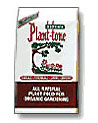 Organic plant foods outperform other fertilizers in many ways:Method and Rate of Release
Most plant foods are water soluble. They go into solution quickly and the nutrients are either taken up by the plants or lost, because of leaching.
Natural organics, however, are water insoluble. Their release is dependent upon three factors; moisture, temperature, and soil microbes. This microbial release is a slow process. The soil microbes digest the organic materials, releasing the nutrients. Water is required by these microbes to sustain their life, as well as to keep nutrients flowing into the plants root zone.
Temperature is critical because, when soil temperature falls below 52 degrees, these microbes go dormant and no nutrients are released. When this happens, the plant food stays in the soil, to be released when soil temperature again rises. The rate of microbe activity and, therefore, the rate of nutrient release, increases as soil temperature rises; this rate of release -- governed by soil temperature -- mimics the plant's nutrient requirements. In other words, organic nutrients are released as the plants need them.
All this means that natural organics break down and feed slowly for an extended period of time. The nutrients are released as the plants need them, rather than all at once.
Safer for Your Plants
Most simple chemical plant foods have a much higher salt index than natural organics. Over-application of some of these chemical products can burn by causing an over abundance of salts in the soil. This imbalance forces water to move from the plant to the soil, causing dehydration and the eventual death of the plant. Natural organics have a much lower salt index, making them much safer to use.
Non-Leaching
Because simple chemical plant foods are water soluble, they are often washed or "leached" out of the root zone. However, since natural organics release their nutrients slowly, by microbial activity, leaching is not a problem. Nutrients stay in the root zone for the plants to use.
Better Value
Plant foods formulated with natural organic ingredients appear to be somewhat higher in cost. However, when you consider that it often takes three or more applications of simple chemical
Organic plant foods outperform other fertilizers in many ways:Method and Rate of Release
Most plant foods are water soluble. They go into solution quickly and the nutrients are either taken up by the plants or lost, because of leaching.
Natural organics, however, are water insoluble. Their release is dependent upon three factors; moisture, temperature, and soil microbes. This microbial release is a slow process. The soil microbes digest the organic materials, releasing the nutrients. Water is required by these microbes to sustain their life, as well as to keep nutrients flowing into the plants root zone.
Temperature is critical because, when soil temperature falls below 52 degrees, these microbes go dormant and no nutrients are released. When this happens, the plant food stays in the soil, to be released when soil temperature again rises. The rate of microbe activity and, therefore, the rate of nutrient release, increases as soil temperature rises; this rate of release -- governed by soil temperature -- mimics the plant's nutrient requirements. In other words, organic nutrients are released as the plants need them.
All this means that natural organics break down and feed slowly for an extended period of time. The nutrients are released as the plants need them, rather than all at once.
Safer for Your Plants
Most simple chemical plant foods have a much higher salt index than natural organics. Over-application of some of these chemical products can burn by causing an over abundance of salts in the soil. This imbalance forces water to move from the plant to the soil, causing dehydration and the eventual death of the plant. Natural organics have a much lower salt index, making them much safer to use.
Non-Leaching
Because simple chemical plant foods are water soluble, they are often washed or "leached" out of the root zone. However, since natural organics release their nutrients slowly, by microbial activity, leaching is not a problem. Nutrients stay in the root zone for the plants to use.
Better Value
Plant foods formulated with natural organic ingredients appear to be somewhat higher in cost. However, when you consider that it often takes three or more applications of simple chemical  plant foods to equal one application of natural organics, you see that the value of the natural organics is far superior to simple chemical blends.
Soil Conditioning
By adding humus, and encouraging soil microbes, natural organic plant foods can actually improve the overall soil structure. No other kind of plant food can make this claim.
If you are interested in a organic fertilizer for your yard, visit Yardiac.com for our recommendations!
plant foods to equal one application of natural organics, you see that the value of the natural organics is far superior to simple chemical blends.
Soil Conditioning
By adding humus, and encouraging soil microbes, natural organic plant foods can actually improve the overall soil structure. No other kind of plant food can make this claim.
If you are interested in a organic fertilizer for your yard, visit Yardiac.com for our recommendations!
Thursday, February 16, 2006
Neem In the News
Neem is the Worlds Safest Insecticide! You Need to Know What Neem is, Too!
 As early as 4500 years ago, people have used the Neem tree for a wide variety of medicinal and pesticide purposes. Branches, fruit, and leaves from the Neem tree have been used to treat and cure many illnesses. Everything from bad teeth and bedbugs to ulcers and malaria. People brush their teeth with the twigs, rub the oil on their bodies, and put the leaves in food storage containers. Although the uses of the Neem tree are broad in the human experience, we will limit our discussion to its use as an insect repellent and pesticide.
As an insect repellent it has been used for thousands of years in food storage bins. Studies have shown that one neem compound is a more effective insect repellent than the widely used synthetic chemical known as DEET , a suspected carcinogen and not recommended for small children.
"Neem Extracts and Oil" have been approved by the U.S. Environmental Protection Agency for use on food crops. It's nontoxic to birds, animals, beneficial insects or man and protects crops from over 200 of the most costly pests.
The neem tree (Azadirachta indica) is a tropical evergreen related to mahogany. Native to east India and Burma, it grows in much of southeast Asia and west Africa. Neem trees may reach up to 50 feet tall and are reported to live for up to 200 years. Its blooms are small, white flowers with a very sweet, jasmine-like scent. Its edible fruit is about 3/4 of an inch long.
Toxicity
As early as 4500 years ago, people have used the Neem tree for a wide variety of medicinal and pesticide purposes. Branches, fruit, and leaves from the Neem tree have been used to treat and cure many illnesses. Everything from bad teeth and bedbugs to ulcers and malaria. People brush their teeth with the twigs, rub the oil on their bodies, and put the leaves in food storage containers. Although the uses of the Neem tree are broad in the human experience, we will limit our discussion to its use as an insect repellent and pesticide.
As an insect repellent it has been used for thousands of years in food storage bins. Studies have shown that one neem compound is a more effective insect repellent than the widely used synthetic chemical known as DEET , a suspected carcinogen and not recommended for small children.
"Neem Extracts and Oil" have been approved by the U.S. Environmental Protection Agency for use on food crops. It's nontoxic to birds, animals, beneficial insects or man and protects crops from over 200 of the most costly pests.
The neem tree (Azadirachta indica) is a tropical evergreen related to mahogany. Native to east India and Burma, it grows in much of southeast Asia and west Africa. Neem trees may reach up to 50 feet tall and are reported to live for up to 200 years. Its blooms are small, white flowers with a very sweet, jasmine-like scent. Its edible fruit is about 3/4 of an inch long.
Toxicity
 Azadirachtin, the primary active ingredient in neem oil, is registered in the United States as a general use pesticide with a toxicity classification of IV (relatively nontoxic). Products containing azadirachtin must bear the signal word, "Caution" or "Warning", on their label.
Neem oil is not recommended for internal consumption, even though it is consumed frequently in small doses in India. However, when an experimental amount of debittered neem oil was prepared according to WHO and FDA guidelines, the oil was determined to be safe for human consumption on a par with other seed oils.
Neem as a Botanical Insect Repellent
Neem has been used for thousands of years as an insect repellent for both people and food crops. One compound (salannin) found in neem leaves, seeds, and seed oil, is a safer but, more effective insect repellent than the widely used chemical ingredient, called DEET, currently found in most commercial repellents.
Neem extracts, tested by the Malaria Institute, were found to repel the mosquito that causes malaria, for up to twelve hours. Neem provides protection from not only mosquitoes but, also from biting flies, sand fleas, and ticks. Because of neem's proven effectiveness, insect repellents made with neem are being used in, malaria prone, tropical countries.
Agricultural Insect Control
It is in agriculture that we find most of the research on neem being conducted today. After studying over 250 plants that exhibited insecticidal properties, the consensus of world scientists was the neem proved to be the most effective and, most environmentally friendly, of them all. Pesticidal products made from neem are just now reaching the attention of the public and can be purchased at agricultural supply houses or, ordered through the mail from well-known garden supply manufacturers. Neem promises to provide a truly natural alternative to synthetic insecticides.
In 1990, over 30 million pounds of synthetic insecticides were applied to residential gardens and lawns in the United States. Usually, these insecticides were quick-acting nerve toxins, designed to kill any insect, including beneficial insects like bees, on contact. Although they are targeted at insects, these broad-spectrum insecticides can harm any creature that lives in or passes through areas in which they have been sprayed. This includes earthworms, birds, squirrels, dogs, cats, and even people. Most manufacturers of insecticides used in the yard recommend waiting three days before walking barefoot on the sprayed areas and to keep pets and children away for at least that long. As a safety precaution in many cities, signs must be posted to warn the public that a hazardous chemical has been applied to the lawn.
People living as much as a quarter mile away from the insecticide application can be affected by evaporated insecticide and aerosols drifting in the air. In some individuals, this can result in severe reactions like headaches and numbness in the limbs. In others, it can cause less noticeable effects that might never be connected with the true cause of the reaction, toxic insecticides being applied somewhere in the neighborhood.
Neem's natural properties pose no danger of toxic reactions. The seeds and leaves of the neem tree are the source of a new class of "soft" pesticides. The term "soft" pesticide is used because no other word quite fits this remarkable product. The active insecticidal compound found in neem is azadirachtin, a naturally occurring substance that belongs to an organic molecule class called tetranortriterpenoids. It is structurally similar to insect hormones called "ecdysones," which control the process of metamorphosis as the insects pass from larva to pupa to adult. Metamorphosis requires the careful synchrony of many hormones and other physiological changes to be successful, and azadirachtin seems to be an "ecdysone blocker". It blocks the insect's production and release of these vital hormones. Insects, then, will not molt, thus breaking their life cycle. Azadirachtin also serves as a feeding deterrent for some insects. Depending on the stage of life-cycle, insect death may not occur for several days. However, upon ingestion of minute quantities, insects become quiescent and stop feeding.
Residual insecticidal activity is evident for 7 to 10 days, or longer, depending on insect and application rate.
Elimination of the insect pest occurs not by quick poisoning, but by starvation and drastic reductions in offspring. Birds and beneficial insects, which are not affected by neem, then feed on the remaining weakened pests and the small number of remaining offspring. The result is an almost-immediate halt to plant damage -- without poisoning the environment.
Azadirachtin, the primary active ingredient in neem oil, is registered in the United States as a general use pesticide with a toxicity classification of IV (relatively nontoxic). Products containing azadirachtin must bear the signal word, "Caution" or "Warning", on their label.
Neem oil is not recommended for internal consumption, even though it is consumed frequently in small doses in India. However, when an experimental amount of debittered neem oil was prepared according to WHO and FDA guidelines, the oil was determined to be safe for human consumption on a par with other seed oils.
Neem as a Botanical Insect Repellent
Neem has been used for thousands of years as an insect repellent for both people and food crops. One compound (salannin) found in neem leaves, seeds, and seed oil, is a safer but, more effective insect repellent than the widely used chemical ingredient, called DEET, currently found in most commercial repellents.
Neem extracts, tested by the Malaria Institute, were found to repel the mosquito that causes malaria, for up to twelve hours. Neem provides protection from not only mosquitoes but, also from biting flies, sand fleas, and ticks. Because of neem's proven effectiveness, insect repellents made with neem are being used in, malaria prone, tropical countries.
Agricultural Insect Control
It is in agriculture that we find most of the research on neem being conducted today. After studying over 250 plants that exhibited insecticidal properties, the consensus of world scientists was the neem proved to be the most effective and, most environmentally friendly, of them all. Pesticidal products made from neem are just now reaching the attention of the public and can be purchased at agricultural supply houses or, ordered through the mail from well-known garden supply manufacturers. Neem promises to provide a truly natural alternative to synthetic insecticides.
In 1990, over 30 million pounds of synthetic insecticides were applied to residential gardens and lawns in the United States. Usually, these insecticides were quick-acting nerve toxins, designed to kill any insect, including beneficial insects like bees, on contact. Although they are targeted at insects, these broad-spectrum insecticides can harm any creature that lives in or passes through areas in which they have been sprayed. This includes earthworms, birds, squirrels, dogs, cats, and even people. Most manufacturers of insecticides used in the yard recommend waiting three days before walking barefoot on the sprayed areas and to keep pets and children away for at least that long. As a safety precaution in many cities, signs must be posted to warn the public that a hazardous chemical has been applied to the lawn.
People living as much as a quarter mile away from the insecticide application can be affected by evaporated insecticide and aerosols drifting in the air. In some individuals, this can result in severe reactions like headaches and numbness in the limbs. In others, it can cause less noticeable effects that might never be connected with the true cause of the reaction, toxic insecticides being applied somewhere in the neighborhood.
Neem's natural properties pose no danger of toxic reactions. The seeds and leaves of the neem tree are the source of a new class of "soft" pesticides. The term "soft" pesticide is used because no other word quite fits this remarkable product. The active insecticidal compound found in neem is azadirachtin, a naturally occurring substance that belongs to an organic molecule class called tetranortriterpenoids. It is structurally similar to insect hormones called "ecdysones," which control the process of metamorphosis as the insects pass from larva to pupa to adult. Metamorphosis requires the careful synchrony of many hormones and other physiological changes to be successful, and azadirachtin seems to be an "ecdysone blocker". It blocks the insect's production and release of these vital hormones. Insects, then, will not molt, thus breaking their life cycle. Azadirachtin also serves as a feeding deterrent for some insects. Depending on the stage of life-cycle, insect death may not occur for several days. However, upon ingestion of minute quantities, insects become quiescent and stop feeding.
Residual insecticidal activity is evident for 7 to 10 days, or longer, depending on insect and application rate.
Elimination of the insect pest occurs not by quick poisoning, but by starvation and drastic reductions in offspring. Birds and beneficial insects, which are not affected by neem, then feed on the remaining weakened pests and the small number of remaining offspring. The result is an almost-immediate halt to plant damage -- without poisoning the environment.
 Neem is nontoxic to animals and people. Areas sprayed with neem are not poisonous areas to be avoided for days, as are those sprayed with the typical synthetic insecticides. Neem is also a natural, biodegradable product. Only insects that eat plants are affected by neem, leaving honeybees and other beneficial insects essentially unharmed.
As important as azadirachtin is, neem's true effectiveness comes from the interaction of all of the compounds which affect different aspects of an insect's life. Other compounds act as insect repellents, cause insects to lay sterile egg cases, prevent molting, and others simply enhance the effects of other compounds. The number and complexity of the compounds found in neem, that affect insects, make resistance to neem highly unlikely. This is extremely important as insects are rapidly developing resistance to the major synthetic insecticides. More and more insects are even developing resistance to natural bacterial controls, like Bacillus thuringensis (Bt).
Farmers in Mexico and Haiti, and shepherds in Australia, have begun switching to simple, neem-based, sprays from the usual synthetic chemical pest controls. This has allowed the farmers to export mango and other fruit to the United States without the chemical residues that often stopped their shipments at inspection stations. Neem-based sprays have similarly allowed the shepherds in Australia to produce a pesticide-free wool that is being sold to European buyers for a considerable premium over the standard wool, impregnated with chemical pesticides.
Food Storage
Throughout the tropics much of the food harvested is lost during storage. More affluent farmers can and do spray their stored food crops with chemical pesticides to prevent worms, beetles and other infestations. Neem offers the impoverished farmers and even affluent farmers wanting to replace pesticides a natural and inexpensive alternative. A light coating of neem oil protects stored food crops for up to twenty months from all types of infestations with no deterioration or loss of palatability.
Soil Amendment - Neem Cake
Neem is nontoxic to animals and people. Areas sprayed with neem are not poisonous areas to be avoided for days, as are those sprayed with the typical synthetic insecticides. Neem is also a natural, biodegradable product. Only insects that eat plants are affected by neem, leaving honeybees and other beneficial insects essentially unharmed.
As important as azadirachtin is, neem's true effectiveness comes from the interaction of all of the compounds which affect different aspects of an insect's life. Other compounds act as insect repellents, cause insects to lay sterile egg cases, prevent molting, and others simply enhance the effects of other compounds. The number and complexity of the compounds found in neem, that affect insects, make resistance to neem highly unlikely. This is extremely important as insects are rapidly developing resistance to the major synthetic insecticides. More and more insects are even developing resistance to natural bacterial controls, like Bacillus thuringensis (Bt).
Farmers in Mexico and Haiti, and shepherds in Australia, have begun switching to simple, neem-based, sprays from the usual synthetic chemical pest controls. This has allowed the farmers to export mango and other fruit to the United States without the chemical residues that often stopped their shipments at inspection stations. Neem-based sprays have similarly allowed the shepherds in Australia to produce a pesticide-free wool that is being sold to European buyers for a considerable premium over the standard wool, impregnated with chemical pesticides.
Food Storage
Throughout the tropics much of the food harvested is lost during storage. More affluent farmers can and do spray their stored food crops with chemical pesticides to prevent worms, beetles and other infestations. Neem offers the impoverished farmers and even affluent farmers wanting to replace pesticides a natural and inexpensive alternative. A light coating of neem oil protects stored food crops for up to twenty months from all types of infestations with no deterioration or loss of palatability.
Soil Amendment - Neem Cake
 After the oil has been pressed from the seed kernels, the remaining material is called "neem cake." This material has been used for many centuries throughout India as a soil amendment. Experience has taught farmers there that working the leftover neem cake into the soil of a garden produces larger, healthier plants that have few problems with insect pests.
Several studies were done to find out why plants grew better in soils mixed with neem cake. The studies discovered that neem cake was richer in plant nutrients than manure, killed damaging nematodes, promoted larger populations of earthworms, helped keep nitrogen in the soil available for the plants, and provided significant protection from insects. This combination of effects provides an almost ideal growing condition for the plants.
By killing nematodes in the soil, a major plant pest is eliminated. Nematodes suck the juices from the roots of plants to the point where they are unable to supply sufficient nutrients to the plant. The plants look sickly, fail to grow and may eventually die despite sufficient food, water and care. On the other hand, by promoting larger populations of earthworms, neem cake helps keep the soil loose so that water and nutrients can more easily be absorbed by the roots. Earthworms also enrich the soil by creating readily absorbable nutrients as it feeds on decaying plant material. Neem cake also reduces the nitrification rate of the soil by suppressing nitrifying bacteria such as nitrosomonas and nitrobacter bacteria. This reduces the need for applications of external nutrients. Some studies have shown that mixing neem cake with regularly scheduled applications of manure can almost double crop yield over manure alone.
Don't miss out on the benefits of this safe and effective insecticide. Check out Yardiac's Neem products, as well as our other environmentally friendly garden aids!!
After the oil has been pressed from the seed kernels, the remaining material is called "neem cake." This material has been used for many centuries throughout India as a soil amendment. Experience has taught farmers there that working the leftover neem cake into the soil of a garden produces larger, healthier plants that have few problems with insect pests.
Several studies were done to find out why plants grew better in soils mixed with neem cake. The studies discovered that neem cake was richer in plant nutrients than manure, killed damaging nematodes, promoted larger populations of earthworms, helped keep nitrogen in the soil available for the plants, and provided significant protection from insects. This combination of effects provides an almost ideal growing condition for the plants.
By killing nematodes in the soil, a major plant pest is eliminated. Nematodes suck the juices from the roots of plants to the point where they are unable to supply sufficient nutrients to the plant. The plants look sickly, fail to grow and may eventually die despite sufficient food, water and care. On the other hand, by promoting larger populations of earthworms, neem cake helps keep the soil loose so that water and nutrients can more easily be absorbed by the roots. Earthworms also enrich the soil by creating readily absorbable nutrients as it feeds on decaying plant material. Neem cake also reduces the nitrification rate of the soil by suppressing nitrifying bacteria such as nitrosomonas and nitrobacter bacteria. This reduces the need for applications of external nutrients. Some studies have shown that mixing neem cake with regularly scheduled applications of manure can almost double crop yield over manure alone.
Don't miss out on the benefits of this safe and effective insecticide. Check out Yardiac's Neem products, as well as our other environmentally friendly garden aids!!
Monday, June 13, 2005
Benefits of Natural Organics
Benefits of Natural Organics
Organic plant foods outperform other fertilizers in many ways:Method and Rate of ReleaseMost plant foods are water soluble. They go into solution quickly and the nutrients are either taken up by the plants or lost due to leaching. Natural organics, however, are water insoluble. Their release is dependent upon three factors; moisture, temperature, and soil microbes. This microbial release is a slow process. The soil microbes digest the organic materials, releasing the nutrients. Water is required by these microbes to sustain their life as well as to keep nutrients flowing into the plants root zone.
Temperature is critical because, when soil temperature falls below 52?, these microbes go dormant and no nutrients are released. When this happens, the plant food stays in the soil, to be released when soil temperature again rises. The rate of microbe activity and therefore the rate of nutrient release increases as soil temperature rises; this rate of release -- governed by soil temperature -- mimics the plant's nutrient requirements. In other words, organic nutrients are released as the plants need them. All this means that natural organics break down and feed slowly for an extended period of time. The nutrients are released as the plants need them, rather than all at once.Safer for Your PlantsMost simple chemical plant foods have a much higher salt index than natural organics.
Over-application of some of these chemical products can burn by causing an over abundance of salts in the soil. This imbalance forces water to move from the plant to the soil, causing dehydration and the eventual death of the plant. Natural organics have a much lower salt index, making them much safer to use.Non-LeachingBecause simple chemical plant foods are water soluble, they are often washed or "leached" out of the root zone. However, since natural organics release their nutrients slowly by microbial activity, leaching is not a problem.
Nutrients stay in the root zone for the plants to use.Better ValuePlant foods formulated with natural organic ingredients appear to be somewhat higher in cost. However, when you consider that it often takes three or more applications of simple chemical plant foods to equal one application of natural organics, you see that the value of the natural organics is far superior to simple chemical blends.Soil ConditioningBy adding humus and encouraging soil microbes, natural organic plant foods can actually improve the overall soil structure. No other type of plant food can make this claim. Interested in a organic fertilizers for your yard? click here for our recommendations!
Subscribe to:
Posts (Atom)


