Showing posts with label disease and fungicide. Show all posts
Showing posts with label disease and fungicide. Show all posts
Sunday, April 19, 2009
Protecting Apples from San Jose Scale


Wednesday, March 11, 2009
Identify Symptoms of Anthracnose on Fruit & Vegetables
Tuesday, March 10, 2009
Multi-Purpose Fungicide For Ornamentals
Every Yardiac should have some Captan in the shed. It's very inexpensive and cures the following Common Problems & Diseases
Anthracnose
Rust
Brown Rots
Powdery Mildew
Early and Late Blight
Damping-Off
Leaf Spot Root Rot
Frog Eye Sooty Blotch Fly Speck
How It Works
Captan infuses through the skin of the plant, to protect all season long.
How To Use
Captan is specially formulated to mix easily with water to form a suspension for spray application.
Azaleas, Carnation, Chrysanthemum, Gladiolus, Tuberous Begonias, Rose, lawns, turf, Apple, Grape, Strawberries, Peach
Monday, March 09, 2009
Eliminating Peach Leaf Curl
 Peach leaf curl is a fungus disease that, under the right conditions, can cause severe early defoliation and crop loss on nearly all peach and nectarine cultivars. As the name of the disease implies, the most common and striking symptom of leaf curl occurs on the foliage.
Infected leaves are severely deformed and often display a variety of colors ranging from light green and yellow to shades of red and purple. In most areas leaf curl can be controlled with one well-timed fungicide application, either in the autumn after 90% of the leaves have fallen, or in the spring before bud swell.
Monday, May 05, 2008
Fend Off Damping Off
Damping off is a fungal disease that attacks seeds and seedlings. It oc curs worldwide and in all kinds of soils. Pathogens present in the soil release enzymes which degrade the seedling tissue and disrupt normal plant growth processes. Damping off can affect seeds and seedlings of all kinds of plants. Seedlings often die after emergence. Symptoms of seed infection include failure to germinate, becoming soft, tur
 ning brown, eventually shrinking and disintegrating. Damping-off can be controlled with water control and fungicide treatments, like Captan Wettable Powder. Over- watering tends to encourage damping-off. Water in the morning and allow to dry before night. Affected seedlings should be given as much light as possible.
Monday, March 31, 2008
Identify the Symptoms of Anthracnose
Symptoms of anthracnose appear first as small, circular, slightly 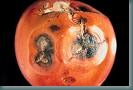 sunken lesions on the surface of ripening fruits. The spots quickly enlarge, become deeply depressed, and develop a water-soaked appearance directly beneath the skin of the fruit. You will see black rings forming in the center of the lesions. Eventually, secondary microorganisms invade the lesions and cause a complete rotting of the fruit.
There are many things that you can do to prevent anthracnose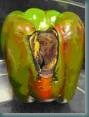 . First of all, start with a resistant variety of the plant you are intending to grow. You may not know where to look, to find names of resistant cultivars. If you do some simple Internet searches, you will find that many states have university web sites that offer advise. You can also ask your local nursery for a recommendation, or visit the library.
Water your plants in the morning. Do not use overhead watering systems,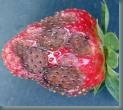 and space your plants in a way that promotes air circulation.
Apply protection fungicides to plants starting when the first fruit appear. This will prevent or minimize the occurrence of latent infections. Try Mancozeb. It is proven to be effective on fruits, vegetables, and ornamentals.
Tuesday, March 25, 2008
Why Is My Lawn dying?
Typhula Blight, also known as Gray Snow Mold, is common in early spring. It can initially be identified by circular patches of diseased turf. Typhula Blight damage first appears w hen the snow is melting.
The grass in the patches has a matted appearance, and may have a visible gray colored mold growth overall. Hard fungus bodies develop on or are embedded in the leaves and crowns of affected plants. The Typhula fungi survive the summer in the soil or thatch. Active growth of the fungus resumes in the absence of light under snow cover on unfrozen ground. Growth ta kes place at temperatures as low as freezing (to slightly below freezing) and continues after snow melt in the spring for as long as the grass remains wet and the temperatures cold.
 There are several things that you can do, to help prevent snow mold. Avoid late fall applications of fertilizer that would stimulate succulent growth. Such growth is very susceptible to  infection. Also continue to mow turf as long as it continues to grow in the fall, and avoid compacting snow over the lawn. Where snow molds have caused damage, rake the matted grass in order to encourage new spring growth. If re-seeding areas where these diseases have been a problem, use disease resistant turf grass varieties.
If snow molds have been severe or wide-spread in past years, or if you are growing a susceptible variety , a preventative fungicide program may be used. Fungicide applications should be made in late autumn just before permanent snow cover is expected and, if possible, during a mid-winter thaw.
Friday, March 21, 2008
Control Summer Patch Before It Controls You
On putting greens, summer patch may begin as small (2 to 3 inch) circular patches that progress to larger (up to 12 inches) pat ches if conditions favor disease development. More often, large patches will appear suddenly with no indication of previous disease activity. In severe cases, the patches may coalesce and destroy large areas of turf. The patches initially take on a yellow color, then turn tan or a straw-brown color as the plants die.

ches if conditions favor disease development. More often, large patches will appear suddenly with no indication of previous disease activity. In severe cases, the patches may coalesce and destroy large areas of turf. The patches initially take on a yellow color, then turn tan or a straw-brown color as the plants die. On greens with mixed annual bluegrass/bentgrass populations, the bentgrass usually will colonize the center of patches of affected annual bluegrass, creating a ring-shaped appearance. This is the easiest way to identify summer patch.
Since summer patch is a root disease, cultural practices that promote good root growth will  aid in reducing disease severity. Increased aeration and improved drainage on compacted and poorly-drained soils will alleviate some root inhibition. Here are a few pointers:
- Avoid light, frequent applications of water.
- Avoid heavy nitrogen fertility, especially in the spring.
- Use slow release sources of nitrogen fertilizer.
- Reduce thatch when the layer is over ½ inches thick.
- Core aerate compacted soils in the fall, and if necessary, repeat core aeration in the spring.
A control product such as Bayer Fungus Control for Lawns will also help restore your lawn's natural beauty.
Wednesday, March 19, 2008
What is Downy Mildew?
Downy mildew is a wet weather fungus that attacks leaves and fruits. Alth ough its name sounds similar to powdery mildew, downy mildew is very different. Downy mildew favors cool, moist conditions. Downy Mildew begins as irregular yellow patches on leaves, that later turn tan to brown. It will eventually spread to the leaf, stem flower or fruit. If conditions are favorable, a dirty white, fluffy growth will appear on the underside of the leaves. Seedlings will often wilt and collapse, mimicking nutritional deficiencies. There are several ways to combat downy mildew. Smart growing techniques are key.
- Promote good air circulation and leaf drying; use wide spacing between plants.
- Select sites with good drainage and air movement.
- Avoid overhead irrigation.
- Water early in the day to allow leaves to dry thoroughly.

- In the greenhouse, the use of blue polyethylene sheets to filter the light has been shown to decrease spore production by the fungus. This did not increase the yield.
- Resistant cultivars are available.
- Seek a variety of control products. Switching treatment plans from time to time has proven to be effective, in most cases.
Wednesday, March 12, 2008
Azalea Bark Scale
F emale Azalea Bark Scale are approximately 1/8-inch long and covered with a white, waxy egg sac. Eggs are laid in the spring and hatch from late-June to mid-July. These mobile immatures are known as "crawlers". The crawlers like to attach to the bark and feed in crevices and branch forks. This pest overwinters as a nym
 ph (immature). Scales insert their piercing-sucking mouth parts into the plant and feed on the juices. A large population will cause leaf discoloration, some die back and an overall unthrifty plant appearance. These scales excrete a sticky, sweet liquid called "honeydew" which promotes the growth of black sooty mold fungus on contaminated surfaces. Beneficial insects often control this pest. When the scales become noticeable, treat with Bayer Advanced AC&R, for effective control.
emale Azalea Bark Scale are approximately 1/8-inch long and covered with a white, waxy egg sac. Eggs are laid in the spring and hatch from late-June to mid-July. These mobile immatures are known as "crawlers". The crawlers like to attach to the bark and feed in crevices and branch forks. This pest overwinters as a nymph (immature). Scales insert their piercing-sucking mouth parts into the plant and feed on the juices. A large population will cause leaf discoloration, some die back and an overall unthrifty plant appearance. These scales excrete a sticky, sweet liquid called "honeydew" which promotes the growth of black sooty mold fungus on contaminated surfaces. Beneficial insects often control this pest. When the scales become noticeable, treat with Bayer Advanced AC&R, for effective control.
Wednesday, February 06, 2008
Fighting Mold & Mildew in the Garden
There are many varieties of mold and mildew that can destroy your garden. It is important to monitor your plants' development closely. If you catch problems as they happen, you will be a much more successful gardener. These fungi are known to affect a wide variety of plant species. When planning your garden, look for cultivars that are more resistant, and resilient.
Anthracnose is capable of surviving in infected plant debris and in the soil. When present, it can invade plants early in life, and may not manifest until maturity. It is encouraged by high temperatures, and heavy rainfall. You will notice small dark spots on leaves, initially. Prune or stake as necessary, to improve sunlight passage, and ventilation.
Cercospora leaf spot starts out in a similar way. You will first notice a darkening of the  leaves. This is typically followed by the formation of circular spots. In humid weather, these coalescing spots may be covered with areas of steel blue to light bluish-purple fuzz. Be sure to use clean tools, when planting, or pruning. Crop rotation can help, also. Just like anthracnose, cercospora can live over the winter in the debris.
Gummy s tem blight is commonly found in squash, pumpkins, cucumbers, watermelons and other field-grown cucurbit crops. It can occur at any growth stage, from seedlings to mature plants. This disease on fruits, in the field or in storage, is called black rot. It affects all parts of the plant, except for the roots. Leaves appear dark yellow or reddish-brown, with lesions in various shapes. Begin at leaf margins and extend rapidly back into the leaf blade, causing curling and death of the entire leaf. Fruit symptoms vary among crops. Commonly, you will see rotting areas on the skin. Lesions may appear very watery, gushing yellow liquid, and may cause fruit to hook as it grows. You may notice something similar developing on the vine itself. Again, garden with clean tools, rotate crops, and be sure to buy seeds from reputable suppliers, as effective measures of prevention.
All of  these problems can be taken care of with a liquid known as Mancozeb Flowable. You can put it in a pressure sprayer, and use it once every ten days, or so.
These are all very common problems, among fruit and vegetable growers. There are lots more that belong in this category. If you have suggestions on preventing, and treating these thorns in the green thumbs of our readers, please be sure to share your ideas!
Monday, October 15, 2007
Fungi
Some of the most confusing issues, among Gardeners, is disease. -Especially new gardeners. There are so many different kinds of disease, and the names can be confusing. I will name a few, describe them, and give a couple of suggestions about treatment.
Black Spot  is characterized by small black dots, with a border on both sides of the leaves. Fungi will cause leaves to yellow and die. You will need to remove all infected leaves. Neem Oil, mostly used in a concentrate, is best. Other treatments are mancozeb, and captan.
Brown Patch develops in hot, humid weather as irregular rings or circular brown spots. Leaves and roots are rotting inside the ring. Treatments include Mancozeb, Bayer Fungus Control for Lawns, etc.
Early and Late Blight can both be treated with N
 eem Oil. Early Blight is known for brown to black spots on leaves, concentric rings. Late Blight's symptoms are a little different. Leaves will have blotches of dark green to black-purple and soon turn brown and die. A white mold appears on the leaf's undersides in cool, damp weather. Tomatoes are dark green, brown, or black and appear wrinkled or greasy. Potato tubers have brown spots and dry, reddish-brown stains; a reddish-brown stain appears in the flesh. Mancozeb will treat both of these.
Powdery Mildew symptoms include superficial white coatings that are powdery to mealy appear on leaves, buds, shoots, flowers and fruit. Powdery mildew fungi infect during warm, dry days and cool, damp nights wherever air circulation is poor. Remedy is best, for expulsion of Powdry Mildew.
 Rust is known to be yellow, orange, or brown powdery masses that develop on leaves and stems and sometimes on the flowers and fruit. Leaves wither and fall early. The fungi are active in damp weather. You can treat it with Neem Oil.
Most all of the fungi mentioned above can be prevented by taking a few cautious steps, when planting. Keep foliage dry. In other words, locate your garden where it will receive morning sun. Allow extra room between the plants, and avoid overhead watering, especially late in the day. Purchase certified disease-free seeds and plants. Remove any diseased leaves, or shoots. Do not prune with infected tools.
Please share your ideas, with everyone. Every Gardener has a story, or suggestion, I am sure!!
is characterized by small black dots, with a border on both sides of the leaves. Fungi will cause leaves to yellow and die. You will need to remove all infected leaves. Neem Oil, mostly used in a concentrate, is best. Other treatments are mancozeb, and captan.
Brown Patch develops in hot, humid weather as irregular rings or circular brown spots. Leaves and roots are rotting inside the ring. Treatments include Mancozeb, Bayer Fungus Control for Lawns, etc.
Early and Late Blight can both be treated with Neem Oil. Early Blight is known for brown to black spots on leaves, concentric rings. Late Blight's symptoms are a little different. Leaves will have blotches of dark green to black-purple and soon turn brown and die. A white mold appears on the leaf's undersides in cool, damp weather. Tomatoes are dark green, brown, or black and appear wrinkled or greasy. Potato tubers have brown spots and dry, reddish-brown stains; a reddish-brown stain appears in the flesh. Mancozeb will treat both of these.
Powdery Mildew symptoms include superficial white coatings that are powdery to mealy appear on leaves, buds, shoots, flowers and fruit. Powdery mildew fungi infect during warm, dry days and cool, damp nights wherever air circulation is poor. Remedy is best, for expulsion of Powdry Mildew.
 Rust is known to be yellow, orange, or brown powdery masses that develop on leaves and stems and sometimes on the flowers and fruit. Leaves wither and fall early. The fungi are active in damp weather. You can treat it with Neem Oil.
Most all of the fungi mentioned above can be prevented by taking a few cautious steps, when planting. Keep foliage dry. In other words, locate your garden where it will receive morning sun. Allow extra room between the plants, and avoid overhead watering, especially late in the day. Purchase certified disease-free seeds and plants. Remove any diseased leaves, or shoots. Do not prune with infected tools.
Please share your ideas, with everyone. Every Gardener has a story, or suggestion, I am sure!!
Subscribe to:
Posts (Atom)


