Showing posts with label Insects and Pest Control. Show all posts
Showing posts with label Insects and Pest Control. Show all posts
Tuesday, August 17, 2010
It Doesn't Take an Army to Fend off Army Worms!
Armyworms are running rampant this time of year. If your lawn appears to be dry and thinning, you could have armyworms... and the damage could get considerably worse very quickly. The worms prefer fescue lawns and will then move into hybrid Bermudagrasses, saving zoysiagrasses for last. Fescue lawns can be wiped out in a day, and the damage is severe.
If you think you have them, look down onto a thinning area of lawn for the worms. They are about an inch and a half long and like to climb to the tip of the grass plant and work their way down. They have an inverted "Y" on their face. Fortunately, armyworms are easy to control with Sevin Insecticide. It can be applied with a fertilizer spreader, and it should be very effective for control. Because the armyworms are here so early this year, I suggest that you go ahead and buy some Sevin and be ready to apply as soon as you see them. Or, tell your lawn contractor to go ahead and apply an insecticide for them.
As an advance indicator, watch for the armyworm moths flying around your lawn at night as your car headlights shine across your lawn. At my house, there are so many that it looks like a light snow. This is a dead giveaway that they are laying eggs which soon will hatch into the voracious eating larvae


Friday, September 18, 2009
Buying and Placing a Toad House
 A good toad house should be airy and provide shade and cooling to the toad. It shouldn’t be a "hot box". The house should ideally have no bottom, so the toads can burrow into the soil under the house if they'd like to. If it is a house with a bottom, you can bury the bottom of the house into the dirt a bit, so at least they will sit in dirt and not on resin or clay, but since toads like to burrow, they might find such a house less attractive than an open bottomed one.
 The toad house should be placed in a shady place, not in the middle of a garden that gets direct sun for 6 hours straight. It would be wise to set the house in the middle of lots of plants or under a bush, that way, its in the garden where the toad can eat all the insects, but its not out in the middle of nowhere with the sun beating it. Remember, toads are nocturnal and avoid sun to avoid dehydration. Also, the house should be near water of some kind, even if you provide the water dish yourself, which is what we do. Toads just like to soak in the water, not swim, so it doesn’t need to be deep but it does need to be refilled often. It will also help if your garden has lots of worms and crickets and other insencts in abundance
Thursday, September 17, 2009
A Toad Abode - Do You Need One?
 Yes, Toad Houses really do work! OK, so you may not find toads to be beautiful however toads will do some rather amazning things in your garden. Toads can eat thousands of insects from your vegetable garden or flower bed. The majority of the nasty pest insects you are trying to get rid of are insects that are eaten by toads. A toad or two in your vegetable garden is a blessing. Contrary to wanting to get rid of them, you should want to encourage them to come and hang out in your garden.
Here are a few facts; a single toad can eat about 110 beetles, ants, June bugs, grasshoppers, slugs, moths, sowbugs, armyworms and other bugs every day. That's around 3,300 every month! Toads are most active at night, so during the day they
Yes, Toad Houses really do work! OK, so you may not find toads to be beautiful however toads will do some rather amazning things in your garden. Toads can eat thousands of insects from your vegetable garden or flower bed. The majority of the nasty pest insects you are trying to get rid of are insects that are eaten by toads. A toad or two in your vegetable garden is a blessing. Contrary to wanting to get rid of them, you should want to encourage them to come and hang out in your garden.
Here are a few facts; a single toad can eat about 110 beetles, ants, June bugs, grasshoppers, slugs, moths, sowbugs, armyworms and other bugs every day. That's around 3,300 every month! Toads are most active at night, so during the day they  need a fairly dark, cool place to hide from the sun and predators. Encourage these bug-hungry hunters to have a nice long stay in your garden by providing a toad house.
There are many toad house options. One is to make a simple hiding spot by using half of a terre cotta flower pot. The toads can go in it like a cave. It can have its own charm and be landscaped into the design of your garden.
You also can buy a toad house.
need a fairly dark, cool place to hide from the sun and predators. Encourage these bug-hungry hunters to have a nice long stay in your garden by providing a toad house.
There are many toad house options. One is to make a simple hiding spot by using half of a terre cotta flower pot. The toads can go in it like a cave. It can have its own charm and be landscaped into the design of your garden.
You also can buy a toad house.
Wednesday, August 19, 2009
Wasp & Yellowjacket Late Summmer Season
 Yellowjacket and wasp populations are peaks from in August and will stay active through the late summer and fall as they forage for winter food. They are more aggressive than other stinging insects and can sting numerous times without losing their stingers.
Our wasp trap, called the Waspinator, is easy to use, and comes with everything you need to enjoy pest free family picnics, dinners on the deck or a party on the beach. Once the Waspinator is out of the packaging, puff it out as large as it can be, secure the drawstring at the base and hang the bag from the loop at the top.
The Waspinator works very much like a scarecrow does. It scares wasps away from the protected area. Yellow Jackets and wasps are visual insects. They depend on a keen sense of sight to catch moving prey. Wasps and Yellow Jackets are also very territorial and will never enter into an area where another colony's hive or nest is located. The Waspinator creates the appearance of a foreign nest and if a yellow jacket or wasp enters the area in search of food, as soon as they spot the foreign nest, they immediately leave the area for fear that the wasps from the artificial nest (Waspinator) will attack them, thus ridding your patio and yard of wasps, yellow jackets and hornets
Yellowjacket and wasp populations are peaks from in August and will stay active through the late summer and fall as they forage for winter food. They are more aggressive than other stinging insects and can sting numerous times without losing their stingers.
Our wasp trap, called the Waspinator, is easy to use, and comes with everything you need to enjoy pest free family picnics, dinners on the deck or a party on the beach. Once the Waspinator is out of the packaging, puff it out as large as it can be, secure the drawstring at the base and hang the bag from the loop at the top.
The Waspinator works very much like a scarecrow does. It scares wasps away from the protected area. Yellow Jackets and wasps are visual insects. They depend on a keen sense of sight to catch moving prey. Wasps and Yellow Jackets are also very territorial and will never enter into an area where another colony's hive or nest is located. The Waspinator creates the appearance of a foreign nest and if a yellow jacket or wasp enters the area in search of food, as soon as they spot the foreign nest, they immediately leave the area for fear that the wasps from the artificial nest (Waspinator) will attack them, thus ridding your patio and yard of wasps, yellow jackets and hornets
Monday, July 27, 2009
Getting Rid of Slugs
 Slugs are mollusks, basically snails without shells, and while there are dozens of slug species, most are an inch or two in length and colored brown or gray.
Slugs are extremely destructive garden pests that spend their nights eating holes in the leaves of plants and fruits and vegetables. Essentially killing a slug is a step toward saving a plant.
Beer traps are one of the oldest tricks in the slug control book. Slugs are attracted to the yeast in beer, these primitve home made traps are somewhat effective. Recently an English company has developed a product called Slugx
SLUGX is a chemical free and environmentally friendly way to solve all your slug problems. Fill SLUGX with beer and you may find 40-50 slugs and snails trapped in a single night. Slugs will be able to slide into the trap, but not up and out. In the morning you can empty the traps of both beer and dead slugs, and refill them the next evening.
The good news is if your spouse locks you out of the house (for acting a slug) at least you will have some good beer handy.
Slugs are mollusks, basically snails without shells, and while there are dozens of slug species, most are an inch or two in length and colored brown or gray.
Slugs are extremely destructive garden pests that spend their nights eating holes in the leaves of plants and fruits and vegetables. Essentially killing a slug is a step toward saving a plant.
Beer traps are one of the oldest tricks in the slug control book. Slugs are attracted to the yeast in beer, these primitve home made traps are somewhat effective. Recently an English company has developed a product called Slugx
SLUGX is a chemical free and environmentally friendly way to solve all your slug problems. Fill SLUGX with beer and you may find 40-50 slugs and snails trapped in a single night. Slugs will be able to slide into the trap, but not up and out. In the morning you can empty the traps of both beer and dead slugs, and refill them the next evening.
The good news is if your spouse locks you out of the house (for acting a slug) at least you will have some good beer handy.
Saturday, July 11, 2009
All Natural Fire Ant Killer
 Killing Fire Ants is relatively easy as long you are comfortable using a chemical insecticide. However Most of the chemical fire ant killers 'sound the alarm' and enable many of the queens to escape and simply relocate to form new mounds three to five feet from their original location.
We have found an effective and safe alternative. It is called True Stop AKA 'the silent killer.' The patented process causes the colony to die a slow and natural death while simulating a normal virus within the nest, so they don't relocate to another area within your lawn.
Once a mound is treated with True Stop Fire Ant Killer, ants become non-aggressive and within 24 hours, it's possible to witness dead ants being removed from the mound, including the winged reproductive queens and the males. Additionally, there is no environmental damage.
Yardiac tested this product in Greenville SC (The Fire Ant Capital of the World) and had very positive results.
Killing Fire Ants is relatively easy as long you are comfortable using a chemical insecticide. However Most of the chemical fire ant killers 'sound the alarm' and enable many of the queens to escape and simply relocate to form new mounds three to five feet from their original location.
We have found an effective and safe alternative. It is called True Stop AKA 'the silent killer.' The patented process causes the colony to die a slow and natural death while simulating a normal virus within the nest, so they don't relocate to another area within your lawn.
Once a mound is treated with True Stop Fire Ant Killer, ants become non-aggressive and within 24 hours, it's possible to witness dead ants being removed from the mound, including the winged reproductive queens and the males. Additionally, there is no environmental damage.
Yardiac tested this product in Greenville SC (The Fire Ant Capital of the World) and had very positive results.
Thursday, July 09, 2009
Rain Resistant Goose Repellent
 Once geese inhabit an area, the flock continues to grow, bringing a "hideous harmony of honks" (not to mention the other negatives). Yardiac offers a goose repellent spray that works -- protecting against grass damage and the fouling of geese. Geese are turned away by the taste and odor -- encouraging the foul to find other places to graze!
One application of Yardiac Goose Repellent makes the food supply in the application area undesirable to geese, turkeys and ducks. The elimination of the food source will completely change the feeding habits of these birds and cause them to look for a more desirable feeding location.
Used commercially for years on lawns, fields, paths, sidewalks. Apply this stuff anytime of the year and Say Goodbye To Your Geese!
Once geese inhabit an area, the flock continues to grow, bringing a "hideous harmony of honks" (not to mention the other negatives). Yardiac offers a goose repellent spray that works -- protecting against grass damage and the fouling of geese. Geese are turned away by the taste and odor -- encouraging the foul to find other places to graze!
One application of Yardiac Goose Repellent makes the food supply in the application area undesirable to geese, turkeys and ducks. The elimination of the food source will completely change the feeding habits of these birds and cause them to look for a more desirable feeding location.
Used commercially for years on lawns, fields, paths, sidewalks. Apply this stuff anytime of the year and Say Goodbye To Your Geese!
Tuesday, May 12, 2009
Sucker Stopper Tree Growth Regulator
 Completely Stops Woody Plant Suckers
This ready-to-use formula stops pesky tree and woody plant suckers for up to 5 months. Sucker-Stopper Ready to Use formula is made from the plant growth regulator napthaleneacetate (NAA). This product is widely used in commercial agriculture to prevent suckers and as a thinning agent on fruit trees.
Use After Every Pruning:
Many trees produce suckers every spring. Even though you cut them back, the suckers will continue to come back all summer long, which can be very annoying. One application of Sucker-Stopper RTU can prevent this recurrence. Also, after pruning, many trees will put out suckers around the pruning wound. These are very hard to keep under control. One application of Sucker-Stopper RTU after pruning will prevent this. Thoroughly cover the primary wound or where the existing sprouts have been removed. Be sure to treat before new growth suckers are 10 inches in length. The earlier you treat, the better. Control should last about 3 months.
Effective on the Following Trees(and many More)
American Elm, Apple Trees, Carob Trees, Chinese Elm Tree, Coast Redwood, Crabapples, Flowering Plum, Olive Tree, Pear Tree, Water oak, Wax Myrtle, Willow Tree, Red Maple Tree, River Birch Tree, Silver Maple Tree, Sugar Maple Tree, Sycamore Tree, Sugar Maple Tree, Sycamore Tree
Tuesday, April 28, 2009
Bt Organically Controls Insects at The Larva Stage

Bacillus thuringiensis (Bt) is a naturally occurring, soil borne organism that has gained recent popularity for its ability to control certain insect pests in a natural, environmentally friendly manner. Bacterial agents, like Bt, are effective in controlling insects in the larva stage only. The larva stage in an insect’s life cycle is the stage during which most of the feeding occurs. Since Bt must be ingested to work, the insect must be controlled during the larval stage. The larval stage is the stage in which the insect appears worm or caterpillar-like. The Bt is applied to the foliage of plants infested with a leaf or needle eating larva. If possible, apply the Bt to the underside of the leaf surface for two reasons:
- Most larvas feed from the underside of the leaf surface.
- Bt is broken down faster in sunlight. Application to the undersides of the leaf surfaces will prolong Bt's activity. High temperatures do not encourage Bt's breakdown.

After Bt spores are ingested by larvae, they grow and reproduce, meanwhile producing crystalline toxins. The crystalline toxins paralyze the digestive tract of the larvae causing it to cease eating. Death will follow, but time of death can range anywhere from 12 hours to 5 days after ingestion. This depends on the amount of Bt ingested, the size and variety of the larvae and variety of Bt used for control. There are different strains or varieties of Bt available that have been selected for the control of specific insects. Bt variety kurstaki (BTK) controls the European corn borer, tomato hornworms, fruit worms, cabbageworm, cabbage looper, spring and fall cankerworm, spruce budworm, and other caterpillar-like larvae. Bt variety san diego (BTSD) controls early larvae of the Colorado potato beetle. Bt variety israelensis (BTI) controls mosquitoes, black flies and fungus gnats.
Advantages Over Traditional Pesticides
The use of Bt has gained well-earned popularity because of its distinct advantages over other pesticides. Hazards to humans are negligible although inhalation or contact with eyes or open wounds should be avoided. Bt can be used right up until harvest, which allows for a longer term control as compared to other insecticides requiring a waiting period from time of application to time of harvest. There is no waiting period from time of application before re-entering the field. The different strains of Bt are class-specific, meaning beneficial or non-target insects are not harmed. The insects that ingest the Bt and later die from it are not considered dangerous to birds or other animals that may feed the dead insect. Bt is not known to cause injury to plants on which it has been applied and is not considered harmful to the environment.
Tuesday, February 24, 2009
WHY USE PEST A CATOR PRODUCTS
Just plug it in। PEST-A-CATOR'S patented pulse technology was designed to connect through the neutral wire of a standard electrical outlet and to send a pulsing signal throughout the wiring of your home (or other structure with standard electrical wiring)। This silent pulse is intended to annoy rodents and may help with rodent problems behind walls, floors, and ceilings where rodents typically nest
Why PEST A CATOR PRODUCTS?
NOT A CHEMICAL OR POISONPEST A CATOR can be one alternative to harmful or hazardous chemicals। May help in reducing your dependence on regular, expensive visits from the exterminator.
FAMILY, PET, AND COMPUTER-FRIENDLYPEST A CATOR operates continuously and complies with applicable FCC Rules*; however, PEST-A-CATOR is not recommended around rodent type
EASY TO INSTALL AND MAINTENANCE-FREEPlug PEST A CATOR into any indoor 110-volt outlet, and let it go to work! There are no chemicals or traps to clean up after, and its clean, unobtrusive design blends well into any décor।
HUMANE APPROACHPEST A CATOR may help with rodent problems in the home, office, restaurant, health care facility or other enclosed structure with standard electrical wiring within 2-4 weeks. Manual trapping methods (such as PEST-A-CATOR LIVE RODENT TRAP) can be used to aid with initial clean up. For real problem areas, try PEST-A-CATOR PLUS in an unobstructed outlet in the infested area. All of these methods are intended to be a humane approach to pest control.
Click here to learn more about the Pesta-Cator.
Tuesday, November 18, 2008
Lizard Problems?
There is something on the market for just about any home or garden pest that you can think of. Here at Yardiac.com, one question that can be hard to answer is the one about repelling lizards. There are very few lizard repellents on the shelves. The species varies, depending on your location in our country, so you will have to experiment with it a little. The best way to start is with a taste repeller. Lizards love flowers. Hot Pepper Wax is a 
Tuesday, November 11, 2008
Repelling Blue Heron
A customer recently asked "How do I repel blue heron?"


Wednesday, October 22, 2008
Squash Borers-Again
Squash vine borers can make a pretty garden turn ugly in a hurry during the growing season. These pests bore into lower squash vines and essentially girdle the plant and cause it to wilt. There are actually a few things you can do now to help prevent their reoccurrence next season. First off, remove any dead squash  plants from the garden because they might contain eggs for next year's population. Till the area where your squash were planted to help expose over wintering populations. See also Yardiac.com's blog on cleaning the soil.
In early spring,apply a pyrethroid insecticide to the soil and emerging squash after they are planted. Rotate squash from one area of the garden to another and plant in a spot where a different vegetable family group was planted. Squash are cucurbits, so plant next in a spot that had tomatoes, peppers, corn, beans, or other non-cucurbits.
Tuesday, September 16, 2008
Goose Control
Since 1964, Bird-X has been the leader in producing humane pest bird control and repellent products. Yardiac.com offers the most comprehensive line of bird control products that are eco-friendly (‘green’), environmentally-safe, non-toxic and non-harmful, ranging from state-of-the-art laser and ultrasonic / sonic bird,  goose and pigeon repellents, spikes, netting and roost inhibitors, visual scare products and taste aversions. We provide bird control solutions.
Bird-X co-operates and collaborates with research professionals in local, state and national government agencies, educational institutions, state and national humane societies, animal rights organizations, etc, to manufacture the best control methods out there. In addition, each one is a direct result of decades of scientific study and field testing.
One problem that we hear about every year is geese. Geese are stubborn and territorial, returning year after year. The GooseBuster uses their memory against them and scares them away repeatedly so they learn not to return. It covers up to seven acres (up to 21 acres from two units), and is known to be effective on geese, ducks, mallards. The GooseBuster works so well because it uses sound combinations, sequences and speakers that change randomly to give a perception of troubled geese moving through many locations. It also offers an optional selection of coyote bark and gunshot sound. Geese evacuate instantly, without waiting to identify the source.
Another very popular method of control, which can be used alone, or in conjunction with the GooseBuster, is the GooseChase. It is an environmentally safe 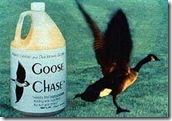 product developed with major university and USDA assistance EPA classified as a "reduced risk", and does not contain potentially dangerous ANTHRAQUINONE, which can be found in other goose repellent sprays. GooseChase uses part of the Concord grape, which has been used for decades by the food and drug industry to flavor candy, gum, soda and drug, making it a safe product to use around children and pets of all kinds. GooseChase is sprayed on grass. Geese find it inedible, and seek untreated food sources elsewhere.
It is important to mention that when repelling any animal, you must eliminate food sources, if at all possible. That may mean having a friendly conversation with neighbors who are feeding the geese near your property. It will be nearly impossible to rid your lawn of geese if they are being fed regularly by humans nearby.
Thursday, September 11, 2008
Organic Pest Control 101- Natural Born Killers
Organic is a word that people are very interested in these days, especially in the lawn and garden category. Electing an organic route can limit your options. One choice 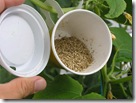 that you may not find on the shelf is beneficial nematodes.
Beneficial nematodes should be your first line of defense. Think of it as preventative care. You can treat a problem after you see it on the surface, but it is more effective to treat before it emerges. Beneficial nematodes are microscopic parasites that thrive on insect larva. There are over 20,000 known species of nematodes. In one hand full, you would find thousands. Some are beneficial. Others are not.
Steinernema and Heterorhabditis are two commonly used species. They invade and kill garden pests such as grubs, fleas, mole crickets, Japanese beetles, weevils and more. Beneficial nematodes dwell in most any soil, but flourish in moist. Since nematodes are small you will need to introduce high numbers to make a strong impact. For example, in a 2000 square foot space, you will want to bring in about one million nematodes. You can use that same ratio to calculate numbers for any space.
You will find that nematodes are sold in packets and can be stored in the refrigerator for a few weeks. When you are ready to apply them just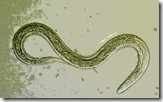 mix with water, and pour them into the soil with a watering can.
Indoor and greenhouse plants can also enjoy the benefits of nematodes. Common problems are gnats and fungus. Beneficial nematodes will eliminate both problems.
Check with your local garden supply store, and online for pricing and availability.
Tuesday, August 26, 2008
Simple Mosquito Control
Scientists still don’t fully understand the reasons mosquitoes are attracted to humans. Known attractants include carbon dioxide and other chemicals in our breath & body emissions, body heat, visual cues such as color, size and contrast, and movement.
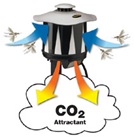 Mosquito control starts from the very basics such as reducing the number of water retaining containers on your property. Don't forget about clogged gutters and trash cans, as well as low spots in the landscape and pools or water features.
The next step in mosquito elimination is the use of something like the SkeeterVac. Did you know that killing just one female mosquito at the start of mosquito season can prevent the birth of up to 25,000 more mosquitoes that season alone! Getting a firm grip on the population from the start of the season can have a major impact on the amount of time you are able to enjoy your patio and outdoor area.
SkeeterVac mosquito exterminators create a combination tricks to seduce the insects into thinking the trap is a host. They are captured on the sticky trap or sucked into an enclosure from which they cannot escape. The SkeeterVac starts working immediately, though it will take approximately six weeks to break the reproduction cycle. The unit is designed to run 24/7 until the temperatures are consistently below 50°F. (Using the unit only part time will allow mosquitoes to repopulate.) This will cost averagely less than $1 per day. The SkeeterVac is odorless and almost sil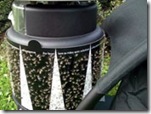 ent, keeping the tranquility of your outdoor living space. In addition, there is no cord to trip over, or restrict placement.
Independent laboratory and field tests conducted by expert entomologists indicate SkeeterVac mosquito exterminators are effective at attracting, trapping and killing a variety of biting insects. Tens of thousands of satisfied customers agree their SkeeterVac has reduced their mosquito nuisance and allowed them to enjoy their backyard more than ever.
Thursday, August 21, 2008
Safe, Easy, Dependable Pest Control
Just plug it in. PEST-A-CATOR'S patented pulse technology was designed to connect through the neutral wir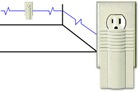 e of a standard electrical outlet and to send a pulsing signal throughout the wiring of your home (or other structure with standard electrical wiring). This silent pulse is intended to annoy rodents and may help with rodent problems behind walls, floors, and ceilings where rodents typically nest.
Why Use PEST A CATOR Pest Repellers?
PEST A CATOR can be one alternative to harmful or hazardous chemicals. May help in reducing your dependence on regular, expensive visits from the exterminator. PEST A CATOR operates continuously and complies with applicable FCC Rules*; however, PEST-A-CATOR is not recommended 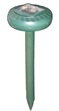 around pet rodents. Plug PEST A CATOR into any indoor 110-volt outlet, and let it go to work! There are no chemicals or traps to clean up aft er, and its clean, unobtrusive design blends well into any décor. PEST A CATOR may help with rodent problems in the home, office, restaurant, health care facility or other enclosed structure with standard electrical wiring within 2-4 weeks. Manual trapping methods can be used to aid with initial clean up. For real problem areas, try PEST-A-CATOR PLUS in an unobstructed outlet in the infested area. All of these methods are intended to be a humane approach to pest control.
But, don't take our word for it!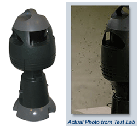
A year ago, I received 2 Electronic Pest Repellers. They have done a perfect job. Now I have sold my house and want to leave them with the new owners. I am moving to a small home and would like to have one for it.
Well, the rats are gone & so are the mice. I am so happy! For years I have been plagued by rodents & they have been winning. NO MORE! This PEST-A-CATOR is a good thing. I will tell my friends.
PEST A CATOR makes pest control devises that you can feel good about using. They are safe, humane, and dependable, and best of all easy to use.
Tuesday, March 18, 2008
Identifying the Budworm
The budworm (a type of caterpillar/moth) is commonly found in geraniums, pe tunias, snapdragons, and other flowering plants, as well as trees. They are very small and they tend to take on the color of the bloom or foliage they are infesting. The numerous black droppings they leave behind are one of the telltale signs.
tunias, snapdragons, and other flowering plants, as well as trees. They are very small and they tend to take on the color of the bloom or foliage they are infesting. The numerous black droppings they leave behind are one of the telltale signs. Many gardeners may not know they have a problem until the dam age becomes severe. New foliage of the host is preferred. In the spring, in trees, small larvae mine in needles and later enter the swelling buds. Effects can be devastating to any tree or ornamental.
age becomes severe. New foliage of the host is preferred. In the spring, in trees, small larvae mine in needles and later enter the swelling buds. Effects can be devastating to any tree or ornamental. Controlling the budworm is simple. You can control the budworm by a bi-weekly spraying of the unopened geranium buds, nearby stems and leaves with Orthenex, a systemic insecticide. When spraying petunias cover the entire plant. The spray will protect a plant for about two weeks.
If yo u prefer a natural method, spray the geraniums or petunias thoroughly with Bt,(Bacillus thuringiensis), a bacteria that attacks the worm. As soon as the worm eats the flower, leaf or bud sprayed with Bt it stops eating, but it takes a few days for it to die. Be aware that Bt has little residual effect and must be used frequently and regularly to control the worms. You have to keep a sharp eye for the young worms and spray the plant immediately.
u prefer a natural method, spray the geraniums or petunias thoroughly with Bt,(Bacillus thuringiensis), a bacteria that attacks the worm. As soon as the worm eats the flower, leaf or bud sprayed with Bt it stops eating, but it takes a few days for it to die. Be aware that Bt has little residual effect and must be used frequently and regularly to control the worms. You have to keep a sharp eye for the young worms and spray the plant immediately. Wednesday, February 06, 2008
Fighting Mold & Mildew in the Garden
There are many varieties of mold and mildew that can destroy your garden. It is important to monitor your plants' development closely. If you catch problems as they happen, you will be a much more successful gardener. These fungi are known to affect a wide variety of plant species. When planning your garden, look for cultivars that are more resistant, and resilient.
will be a much more successful gardener. These fungi are known to affect a wide variety of plant species. When planning your garden, look for cultivars that are more resistant, and resilient.
Anthracnose is capable of surviving in infected plant debris and in the soil. When present, it can invade plants early in life, and may not manifest until maturity. It is encouraged by high temperatures, and heavy rainfall. You will notice small dark spots on leaves, initially. Prune or stake as necessary, to improve sunlight passage, and ventilation.
Cercospora leaf spot starts out in a similar way. You will first notice a darkening of the  leaves. This is typically followed by the formation of circular spots. In humid weather, these coalescing spots may be covered with areas of steel blue to light bluish-purple fuzz. Be sure to use clean tools, when planting, or pruning. Crop rotation can help, also. Just like anthracnose, cercospora can live over the winter in the debris.
Gummy s tem blight is commonly found in squash, pumpkins, cucumbers, watermelons and other field-grown cucurbit crops. It can occur at any growth stage, from seedlings to mature plants. This disease on fruits, in the field or in storage, is called black rot. It affects all parts of the plant, except for the roots. Leaves appear dark yellow or reddish-brown, with lesions in various shapes. Begin at leaf margins and extend rapidly back into the leaf blade, causing curling and death of the entire leaf. Fruit symptoms vary among crops. Commonly, you will see rotting areas on the skin. Lesions may appear very watery, gushing yellow liquid, and may cause fruit to hook as it grows. You may notice something similar developing on the vine itself. Again, garden with clean tools, rotate crops, and be sure to buy seeds from reputable suppliers, as effective measures of prevention.
All of  these problems can be taken care of with a liquid known as Mancozeb Flowable. You can put it in a pressure sprayer, and use it once every ten days, or so.
These are all very common problems, among fruit and vegetable growers. There are lots more that belong in this category. If you have suggestions on preventing, and treating these thorns in the green thumbs of our readers, please be sure to share your ideas!
Tuesday, February 05, 2008
Grubs
Grubs that you see in the lawn are the larvae of Japanese beetles, June beetles, and chaf ers. These grubs are C-shaped, off-white in color with a dark head. They eat the roots of grass, causing irregularly shaped patches of wilted, dead, or dying grass in April and May, and again in August to mid-October, with a serious infestation, the turf can be lifted up from the soil and rolled back like a carpet. If the damage to the grass is not too severe, the grass will recover with normal watering and fertilizing. Lawns that are heavily damaged by grubs will have a yellowi
 sh tinge and will feel spongy when walked on.
In small populations, grubs do not represent a problem to a healthy lawn. It is normal for all lawns to have some grubs present. Four to six grubs per square foot of turf probably won't cause any visible damage in a healthy lawn. However, when a lawn begins to have more than six grubs per square foot of lawn, this would be considered a grub problem. To check the size of a grub population in your lawn, dig out a square foot of grass and turn it over to examine the roots. Count the visible grubs. If you have more than six visible grubs, you should consider applying a grub control product. Ten or more grubs per square foot will likely cause damage, especially if the lawn is otherwise stressed.
If animals such as skunks, raccoons, birds, and moles are digging up the turf to feed on the grubs, consider treating your lawn. The grubs can be stressful enough on your lawn. Digging animals can reak havok. It will be almost impossible to get rid of the animals, with an abundant supply of grubs, especially if they have little ones to feed.
Subscribe to:
Posts (Atom)


