Showing posts with label herbs. Show all posts

Monday, August 06, 2007

Growing Herbs Can Be Great Fun

Herbs have been cultivated for thousands of years for both their culinary and medicinal purposes. These fragrant and flavorful plants still play an important role in every kitchen garden. Even a tiny plot can provide you with enough herbs to use fresh, frozen, or dried. Herbs are easy to raise, even if you've never gardened before. If you have the space, you can plant a formal herb garden that is both attractive and plentiful. Formal herb gardens use design techniques that are centuries old. Knot gardens, for example, where herbs are grown in a knot-like design, have been popular since medieval times. If you are short on space, however, you can tuck your favorite herbs amid other plantings in your vegetable or flower garden. Many low-growing herbs, such as creeping rosemary and thyme make lovely edging plants for vegetable or flower gardens. In our Test Gardens, we always edge our rose borders with lavender or variegated sage and our vegetable beds with parsley.

Annual Herbs Before planting, it is helpful to note if your plant is a perennial or an annual. Annuals are those plants that complete their entire life cycle in one year or growing season. Annual herbs are generally planted in the spring, although some, such as cilantro, parsley, and chamomile, are planted in the fall in mild-winter areas. The list of annual herbs includes summer savory, basil, borage, and dill.

Biennial Herbs Biennial herbs produce green, leafy growth the first year and begin to flower and set seed in the second. Then the plant dies to be replaced by plants from germinating seed. Parsley and mullein are examples of biennial herbs.

Perennial Herbs Perennials are plants that come back year after year—though some live longer than others. Perennial is a relative word, and a plant that is perennial in Dallas, Texas, may be treated as an annual or tender perennial in Des Moines, Iowa. Examples of perennial herbs include oreganos, mints, thymes, chives, French tarragon, winter savory, culinary sages, English lavenders, germanders, catnips, and santolinas.

Tender Perennials Tender perennials are plants that can live for several years but are not frost-tolerant. Tender perennial herbs include French lavender, rosemary, scented geraniums, pennyroyal, lemongrass, bay laurel, myrtle, capers, patchouli, curry, and licorice. These may be grown in containers or in the garden during the growing season and then overwintered indoors. Some scented geraniums varieties can withstand mild frosts in gardens in Zones 5 to 7.

Choosing a planting site Herbs can be part of any garden or landscape as long as their specific planting requirements are met.

Sun requirements For the most part, your herbs should be planted in areas that receive 6 to 8 hours of sun a day and are protected from drying winds. A few herbs like mints, chervil, and woodruff tolerate partial shade. Cardamom grows best in shade.

Soil requirements Herbs perform best in well-drained soil. Most herbs thrive in neutral soil (pH 6.8 to 7.2). How do you tell if your soil is well-drained? Spray the garden area with a hose. If the water pools, then you need to improve the drainage of your soil. Forking in sand and other soil amendments such as compost or well-rotted manure improves drainage and boosts the nutrient level in your soil.

Container growing City dwellers can grow most herbs successfully in patio, porch or balcony containers. Care must be taken, however, to use good quality potting soil and to select pots or planters with adequate drainage holes.

Planting your herbs

Preparing the planting site

  1. Add a complete fertilizer to your chosen site. Use a digging fork to incorporate it into the top 2 to 3 inches of soil and to bring oxygen to the deeper layers of the soil.
  2. Move the containers around your site until you find the best placement for your plants, keeping their spacing requirements in mind. Staggering the planting will make the most of the garden space in addition to giving a more natural look. Planting in blocks can conserve valuable space.
  3. Water the garden beds the day before transplanting.

Planting herbs outdoors In the fall, you can safely transplant up to 3 weeks before your area's average first-frost date. In the spring, do not plant herbs until all danger of frost has passed. If your area might experience an unexpected cold snap after planting, protect your plants with a floating row covers or even an old blanket. If your area is unusually hot, continue to protect your plants until temperatures moderate.

  1. Water your plants several hours before planting so that the the rootball will be moist, but not soggy.
  2. Plant on a cloudy day or wait until early evening in order to prevent excessive moisture loss due to evaporation. If this is not possible, temporarily cover your plants with shade cloth, a floating row cover, or even a cloth tent to shield them from sun until the roots are able to access water and supply it to the top growth.
  3. Use a trowel to dig a hole in the soil. The hole should be somewhat larger than the plant's shipping pot. If you did not amend your soil already, add a handful of rock phosphate or bone meal to the bottom of the hole to boost future blooming and fruiting.
  4. Space the planting holes according to spacing requirements. If rosemary is a perennial in your area, allow 2 to 3 feet of space around each plant. Control plants that grow and spread rapidly (such as most mints) by planting them in large (12-inch) plastic pots sunk into the ground or situate the plants in a place where they can spread freely.
  5. Release the plant from the pot by straddling the stem with your fingers and inverting the pot. Gently squeeze the container and tap it lightly to separate the rootball from the sides of the pot. Avoid pulling the plant out by the stem because permanent damage may occur. Then use a fork to "scratch" the rootball and gently loosen the roots.
  6. Carefully set the plant in the soil at the same depth it was planted in its grower's container.
  7. Lightly firm the soil around the roots to remove any air pockets.
  8. Label each plant with a plant marker.
  9. Water the soil until it is evenly moist but not saturated. In general, water your plants before they become completely dry, but not so often that the soil stays soggy. After plants are well-established, a deep watering (that is, soil wetted 8 to 12 inches below the surface) every week to 10 days should suffice for most areas and conditions. Early morning watering is preferable.
  10. Mulch the beds with organic matter in the spring once the soil has warmed or in the fall once the seedlings have begun to grow. Keep mulch several inches away from the stem or crown of the plant. Spread the mulch as soon as the seedlings are several inches high.
  11. Fertilize at monthly intervals during the growing season (March through October).
  12. Pinch the growing tips early in the growing season to help encourage fuller growth and a larger harvest later on. Prune on a regular basis with pruning shears or scissors.
  13. Cultivate occasionally to help keep weeds in check and to loosen the topsoil, allowing for better water absorption. Avoid damaging surface roots.
  14. Transplant tender herbs from the garden into pots three weeks before the first frost and keep them indoors for the winter.

Transplanting herbs If your plants arrive in the spring, you may move them outside on warm days to a shady spot, but do not move them to permanent homes outdoors until all danger of frost is past.

If your plants arrive in the fall and are intended for outdoor planting, they can be safely transplanted up to three weeks before the first frost. If they are intended for indoor gardening, they can be transplanted into larger containers within a few days. Container gardening with herbs Pot size will vary from species to species. Generally speaking, a 6"-8" terracotta pot, filled with good quality potting medium, suffices for a one plant, one season container garden. Do not use garden soil in any pot. Most herbs require 6-8 hours of direct sunlight or 12 hours under a grow light each day to thrive. Mints and some thymes can get by on less light. Regular pinching of growing tips encourages bushier growth. Herb care tips Caring for perennial herbs Perennial herbs come back year after year and can be planted directly in the garden. Most oreganos, mints, thymes, chives, French tarragon, winter savory, culinary sages, English lavenders, germanders, catnips and santolinas are perennials. Although lavenders require a well-drained, slightly alkaline soil, most other are not picky about soil type. They do however need plenty of room - at least 12-18" between plants. Mints require special attention because they grow and spread rapidly. We recommend confining them in large 12" rubber pots sunk into the ground, or situating them at some distance from your other valuable plants. They can easily take over a small garden if not controlled in some way. Perennial is a relative word, and a plant that is relatively perennial in Dallas may have to be treated as a tender perennial in Iowa. The US Department of Agriculture has developed a hardiness zone chart which is widely used by American gardeners, and which is referenced by virtually all commercial growers. If you are not familiar with these hardiness zones, or do not know in which zone you live, Caring for tender perennialsTender perennials are not frost tolerant but can live for several years if given proper care. Tender perennial herbs include French lavenders, rosemarys, scented geraniums, pennyroyals, lemongrass, bay laurel, myrtles, capers, patchouli, curry, licorice and several others. If you want your tender perennial herbs to last more than one season, plant them in 8-10" terra-cotta pots, and either sink the pots up to the rim in your garden, or place the pots on your porch or patio. In the fall, three weeks before your first frost, they should be pruned back substantially, checked for insect pests and disease, and gradually acclimated to their indoor winter surroundings. Do not fertilize during the late fall and winter. Do not overwater. Many will be completely dormant during their stay indoors. Caring for annual herbs Annuals are those plants which grow, produce and die within one growing season. The list of annual herbs typically includes summer savory, basil, cilantro, fennel and parsley (although the latter are also biennials). They can be planted either in containers or in the garden. A few annuals, such as parsley and basil, can be successfully grown indoors any time of year -- under proper light and temperature conditions. Caring for plants from warmer climates Some plants - such as bay laurel, lemongrass, capers, cardamom, Mexican tarragon, and patchouli - are tropical or semi-tropical, and will be winter hardy only in the warmest parts of the United States (zones 8 - 10). Elsewhere, they should be planted in pots and overwintered indoors. All of these plants are essentially dormant in the winter and may drop most of their leaves before greening up again in the spring. Cardamom ginger does best in shade. General care for all herbs

Watering: Determining how often to water your herbs depends on the season, the plant, ambient humidity, air movement, exposure to the sun, and temperature. In general, plants should be watered before they get completely dry, but not so often that the soil stays soggy. Under most conditions and in most areas of America, a deep (so that the soil is wetted 8"-12" below the surface) watering once a week should suffice after the plants are established. If you are potting your herbs, it is very important to use pots with drainage holes, and that they're not left to stand in water for more than a few minutes at a time. Fertilization: Plants confined to pots need more attention paid to their nourishment than garden plants. The easiest way to accomplish this is by feeding with a weak (1/2 strength) water-soluble fertilizer every two weeks during periods of active growth. A natural, slow-release formula will nourish the soil as well as the plants. When foliar feeding, apply the fertilizer in the early morning hours before the sun has warmed the plants. Scratch pelletized or granular formulas into the top 1 to 2 inches of soil. During periods of dormancy, do not fertilize at all -- the plants are resting and will not benefit from the fertilizer. In fact, fertilizing your plants during dormancy may kill them. Harvesting: Harvest annual herbs in the morning after the dew dries but before the day is hot. Give annual herbs their final cut before the first frost. Wait to harvest perennial herbs the year after planting, doing so only once a year. Avoid cutting into the older woody growth. Overwintering herbs indoors: The best way to overwinter herbs indoors is to plant them in the spring in 8"-10" pots and grow them all summer in those pots. The pots can be buried up to the rim in the garden or simply placed on the porch or patio. Natural porous clay pots are recommended. If you decide that you want to bring a plant inside that has been growing in the garden all summer, the first step is to prune back much of the summer's growth. Well before the first frost, dig up the plant carefully, leaving plenty of earth on the roots. Place rootball in sufficiently large pot to easily accommodate the roots and back fill with good quality commercial potting soil. Water well and gradually acclimate to new light conditions. Move from full sun to part shade to almost full shade over several weeks. Appropriate winter care includes providing as much light as you can, even moisture, and reasonable temperatures. Bay laurel, rosemary, lavender and lemon verbena are plants that need to be moved indoors if they are to survive. We strongly recommend planting them in pots in the spring. Repotting: Most herb plants purchased from Garden.com will be in smallish pots. These containers are meant to hold the plants for limited periods. Once they have become acclimated to your house, your herbs need to be transplanted into larger pots. Pot size will vary from species to species - check the information about each plant. Generally speaking, a 6" terracotta pot, filled with good quality potting medium, will suffice for a single season in an indoor garden.

Care for indoor plants: Most herbs require 6-8 hours of direct sunlight, or 10-12 hours of closely positioned grow lights, each day to thrive. South, east or west windows without curtains should suffice for most. If your plants get leggy, they should be moved to stronger light and rotated a quarter turn every week to provide equal exposure for all the leaves. Regular pinching of growing tips encourages bushier growth. The 65-70° winter temperature of most North American homes will be fine in most cases, but beware of either hot or cold drafts, and of placing plants too near radiators or hot air outlets. Most plants that die indoors do so because they got too hot or too dry. To increase the humidity in the immediate vicinity of the plant, place the pot on a tray of pebbles which should be filled with water daily. Drying herbs for cooking Just before plants begin to flower, cut leafy herbs early in the morning after the dew has dried for highest oil content. Wash off any dirt and hang to dry in a warm, airy, well-ventilated location, without exposure to sunlight. When dry and crisp, strip off the leaves and put in airtight containers. Harvest herb seeds when they mature, or place stalks upside down in a bag to collect the seeds as they ripen. Dry in a warm, well-ventilated location and store in airtight containers. Be sure to check all containers in a few days to be sure no moisture is present; if so, remove and dry further. Troubleshooting What should I use to control pests on my herbs? Although not immune to diseases and bugs, herbs are certainly less prone to attracting pests than many popular American garden plants. We generally recommend using organic methods in dealing with pests. Remember - you will be growing many of your herbs to consume in one way or another and with them you'll be consuming whatever pest control you've used. So while there are other effective pest controls on the market, we think using organic solutions helps to minimize exposure to potentially harmful compounds. For flying insects, we use insecticidal soap; for crawling varieties, we use diatomaceous earth.

When I bring my herbs indoors for the winter, they are infested by pests. They do just fine outdoors. What can I do? Herbs are rarely bothered by plant pests in the garden, but they can be a problem indoors. Not because your house is infested (although it could be) or that the plant was infested when you bought it, rather the reason is that indoor growing conditions are not ideal. The plants are thus rendered less capable of resisting pests naturally. The two most common indoor pests are spider mites and whiteflies. Both thrive in low humidity and high temperatures. A reasonably effective, reasonably safe means of control is insecticidal soap. If the plant is small enough, turn the pot upside down and immerse the whole plant in a bucket of the soap solution once a week. If it is too large for that treatment, spray the whole plant weekly, paying special attention to the undersides of the leaves. The key to controlling bugs is to look for them every time you water, and to begin treatment at the first sign. Waiting even one week to begin treatment can lead to an uncontrollable population explosion.

Friday, July 13, 2007

Heath and Heather

Low-growing heath and heather are the perfect plants for rock gardens and perennial borders. The best news is that growing heath and heather is a snap. Both love sunny spots (a full day of sun is best, but a half day will do) and, with few exceptions, these plants thrive in acidic soil. They thrive especially well in coastal climates, where growing conditions are mild and moist. Heath and heather hail from Europe and South Africa, where they’ve naturalized to create breathtaking sweeps of color during peak bloom. You can choose heath and heather varieties to have flowers year-round, from the depths of winter to the heat of summer. Combined with evergreen shrubs and dwarf conifers, drought-tolerant heaths and heathers create an easy-care garden that's packed with eye-pleasing vistas, season after season. Calluna vulgaris, or "Scotch Heathers," begin blooming in mid-summer, and continue their display of purple, pink and white flowers (and every shade of the three) well into late autumn. The sprightly blooms aren't the only attraction these evergreen shrubs have to offer; many varieties' foliage colors and growth habits are intriguing. Erica carnea and Erica x Darleyensis varieties are known as the "Winter or Spring Heaths." They are more tolerant of somewhat alkaline soils than other varieties and can tolerate being planted in open shade. Buds formed during the summer months open into fabulous shades of pink and white during the coldest months of the year, offering color to snowy and bleak landscapes. Erica cinerea, or "Bell Heather," has needle-like foliage on erect stems. "Bell Heather" bears very bright, showy bell-shaped flowers in shades of magenta, purple and white from late spring on. Erica tetralix, "Cross-leaved Heath," bears flowers on the tips of branches in pendulous terminal clusters for most of the summer. These are very neat and compact plants. Erica vagans, "Cornish Heath," has glossy green foliage with a wide and spreading habit. Masses of bell-shaped flowers are born along the stems starting in July and lasting throughout the summer. Erica x watsonii, "Watson's Heath," is a natural hybrid of E. ciliaris and E. tetralix found in Truro, Cornwall England. It has similar characteristics as E. tetralix but is slightly hardier and flowers heavier and longer. Tips of new growth are brightly colored Choosing a site Soil requirements The success of any garden depends on proper soil preparation. Ideal soil for most heaths and heathers is slightly acidic, has excellent drainage and contains generous amounts of organic matter (such as wet peat moss, well-rotted compost, etc.) worked in to retain moisture. Heaths and heathers do not survive in a soil that is too fertile or wet; under these conditions, the plants will produce lush growth that may not harden to withstand the harsh winter cold. These plants require little maintenance once they are well established. Plant in raised beds if your soil is clay-based or if your site is flat. A sloping site facilitates drainage naturally. Light requirements Heath and heather need sun and open air circulation. A southern or southeastern exposure is best. A full day of sun is ideal; however, some species tolerate a half day of full, bright sun, especially ground cover varieties. Heaths and heathers especially need sun to show off their foliage colors and for heavy flowering. Each plant is labeled with all the information you need for placement in the garden. Location requirements Heath and heather need a site with good air movement or circulation. Heath and heather care tips WateringHeaths and heathers need thorough, deep watering 2 to 3 times per week, or when the soil feels dry to the depth of your first knuckle. They should not be allowed to completely dry out, nor should they have "wet feet." Because overwatering is detrimental to the health of heath and heather, first check the moisture content before each application of water. Also, water in the morning. Plants watered in the evening run a higher risk of fungal infection because foliage and soil remain wet over a longer period of time and damp conditions promote fungal growth. When watering, avoid wetting the foliage. A slow, deep soaking is best because it promotes root growth and supports existing foliage. During times of heavy rainfall, remove mulch temporarily to allow the site to drain and dry sufficiently. Once established, heaths and heathers are quite drought-resistant and will survive quite well during periods of hot, dry weather. However, remember to provide some supplemental water during long periods of dry weather. Fertilization Since heaths and heathers prefer a 'lean' soil, they do not require regular feeding -- as long as the soil is amended with organic matter. However, if you do choose to fertilize, use a good organic granular for ericaceous plants (azaleas, rhododendrons, holly, etc.). Scratch into the soil surface around each plant in early spring. Be careful not to over-fertilize and remember to avoid high-nitrogen fertilizers! Winter protectionYoung plants, or those in very exposed areas, can suffer from a combination of drying winter winds and sub-zero temperatures. To protect against these conditions, mulch around the plants to protect root zones and growth below the ground; or place evergreen boughs over the plants in a tent-like manner to act as a wind and sun break for the foliage above the ground. Pine needles, straw, or other light material can also be used to completely cover the plants after the ground is frozen. Pruning Young plants, during the first 4-5 years in the garden, need an annual pruning to promote dense branching. Pruning stimulates new growth and increases the amount of flowering branches. Prune summer-blooming varieties in early spring before the new growth resumes. Remove any dead wood and prune any branches that suffered winter injury, cutting back to green wood. Formation pruning -- pruning or training young plants into the shapes you want -- should be minimal, as the plants have a pleasing natural shape. With sharp pruning shears, cut back last year's flowering branches to a point below the old flowers. Avoid cutting into the mature wood. Remember that lush, new growth will start at the point where you cut, so don't be afraid to cut back to prevent legginess and to increase the density of the plant. Generally the winter blooming varieties, such as Erica carnea and E. x darleyensis, do not require regular pruning. Prune as necessary to keep in bounds and to remove any winter injury. This light pruning should be done after flowering. Remove spent blossoms as soon as they fade.

Friday, June 08, 2007

Drying Herbs

Gathering herbs for drying is one of midsummer’s most pleasant tasks. Using the heat of the season to preserve some of this bounty always makes me feel in tune with my garden. When sheared in midsummer, moist herb plants respond by growing bushier and more attractive; plants from which you take cuttings now will produce another harvest before frost. Drying herbs is not hard work, and you don’t need special equipment. A pinch of dried herbs can make a significant difference in stews, sauces, salads, and soups. You might also want to dry some mint or lemon verbena for teas, or prepare jars of dried herbs for thoughtful, personalized gifts.

  1. CUT THE STALKS For best flavor, pick herbs when blossoms first begin to form, but before they open—this is when their volatile-oil content is highest. Wait until late morning on a sunny day, after the dew has dried. The leaves should be dry when you gather cuttings. Use scissors or pruning shears to clip off the herb stalks. It’s better to cut than to break the stems, because breaking them leaves a harder-to-heal ragged edge on the remaining stem, and tugging on the plant may disturb its roots. In most cases it’s best to remove up to two-thirds of an herb plant’s top growth. (In the fall, as frost approaches, perennial herbs such as sage should be trimmed more conservatively—perhaps by one-third to one-half—because they may not survive winter if pruned too severely late in the season.)
  2. RINSE THE HERBS Now’s the time to remove any grit, dust, or other residues; you won’t want to wash the herbs after they’ve dried. Long-stemmed herbs are usually fairly clean, but creeping plants like thyme may have sand or mud clinging to their leaves. Hold muddy leaves under running water for a minute or two. If they’re just dusty, you can plunge them briefly into a bucket of clean water. Then shake off the excess water thoroughly and pat dry with paper towels, or whirl the cuttings in a mesh basket to spin off the water.
  3. DRY THE CUTTINGS The best drying spot is a hot, dark space with good air circulation. Herbs will dry more quickly at temperatures above 80 degrees Fahrenheit. Likely places include a garage or a shady porch. Even a hot attic, where daytime temperatures might soar into the 90s or 100s, is not too hot. The heat dehydrates the leaves before they rot, darkness ensures good color retention, and moving air carries moisture away while discouraging mold formation. Twiggy or stalky herbs (such as rosemary, thyme, and dill) with small leaves that stay separate even when the stalks are bundled together may be hung in bunches from nails or wire. Working with one or two dozen stalks at a time, tie the stems tightly together with string or fasten them together with rubber bands. String may need to be tightened periodically as the stems shrink in drying, while rubber bands will continue to hold as the bundles lose bulk. If possible, hang the bunches of herbs where air reaches them from all sides—from a rafter or ceiling hook, for example, rather than on a wall.

If you don’t have a shaded place in which to hang your herbs, pop a brown paper bag over them. Cut small slits in the bag to admit air. Large-leafed herbs (such as basil or mint) may rot before they dry if they are bundled tightly together. Such herbs will dry more quickly and retain color better if their stems are grouped in small bunches or spread in a single layer on racks or screens, propped so that air can circulate under them. (Avoid using galvanized-metal screens; plant acids may react with the metal to form toxic compounds.)

Saturday, March 10, 2007

The New Season

The New Season—it’s spread out in front of us like a clean slate. On January 1, we are given the opportunity to start a fresh new year. That’s where New Year’s Resolutions come in. Often, the very phrase "resolutions" strikes fear in our hearts—like it’s time to march out our shortcomings and make a list of amends for them. But, resolutions shouldn’t be about guilt and denial. They should be fun, uplifting, and invigorating, and now is the time to prepare, for the new growing season! This year, give yourself a break! Make resolutions that are fun to keep and that will benefit you as a gardener! Get a jump on the gardening season. This year, start seeds early and raise your own seedlings (as well as raising your expectations of your garden!) With a few simple supplies (germinating mix, flats, seeds, and a few other seed starting accessories), you can raise a whole garden. Watching those seedlings emerge through the soil is an uplifting way to spend a cloudy February afternoon. To learn more about this easy way to grow plants for your garden, read our feature Sow, sow, sow your seeds. Try something new. Plant a new variety or species in your garden, expand your garden area, add window boxes to your house or containers to your patio, raise herbs with your perennials, or get your feet wet with a water garden. Expand your gardening horizons and you’ll learn a lot more about different types of gardening. Share your harvest. Gardening is about bounty, and bounty is about sharing. That’s why the Garden Writers Association of America (GWAA) started "Plant a Row for the Hungry" in 1995. This program encourages gardeners to plant extra space in their gardens to raise extra fruits and vegetables for donation to local shelters or food banks. To learn how to participate in this program, read our update page on the Plant a Row for the Hungry program. Eat more vegetables! It’s a great way to stay healthy! The USDA recommends you eat 3 to 5 servings a day. So plant a lot of what makes our bodies work best: broccoli (high in calcium), spinach (high in folic acid and iron—Popeye was right!), and squash (high in vitamin A). To see a list of what vegetables are best for your body, review our Great Health List. Besides being good for you, fresh vegetables taste so much better out of the garden! Simplify, simplify. Henry David Thoreau’s call to action is something we should all heed. Make your life more simple, and that includes gardening. Weed less by mulching more, plant drought tolerant varieties that will flourish in your environment, or delegate areas of your garden to perennials, those reliable return visitors. Automate. Cut down on water chores in your garden by installing a drip irrigation system. Not only are drip systems the best way to water your garden, they are also the most economical because less moisture is lost to evaporation. There are drip systems for large and small gardens, as well as for containers. To read more about drip irrigation, read our feature Drip irrigation. Plant more flowers. Can you ever have enough? They brighten your yard and lift up your spirits. Plant an extra bed just for cutting so you can enjoy fresh flowers indoors all summer. Bouquets make wonderful visiting gifts, too. And, for color you can enjoy all year, sow some everlastings, such as globe amaranth, baby’s breath and yarrow. Start composting. Composting is a fully satisfying activity. You recycle kitchen scraps, garden debris, and grass clippings, and in several months, your composter has created a rich, nutrient-filled amendment for your garden. Gardeners call it "black gold." Composting is easy. To review the wide range of products to get you started, check out the supplies in the Composting Department. Pass along your gardening knowledge. Share your love of gardening with a friend or child. Take the mystery out of growing gorgerous flowers or fresh vegetables by helping someone you know get started in gardening. Enjoy your garden! If you make only ONE gardening resolution for the New Year, make it this one. Pick more flowers, cook from the garden, have a garden party, invite friends over for dinner alfresco. Use your garden as the outdoor room that it is, and make sure to sit back and smell the roses. Gardening is a hobby that nourishes your body and comforts your soul. Take time to benefit from all your garden has to offer.

Thursday, January 25, 2007

Perennial of the Year 2007!

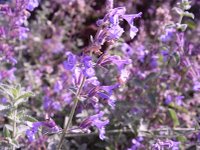
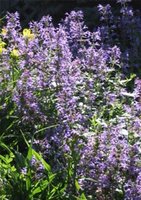
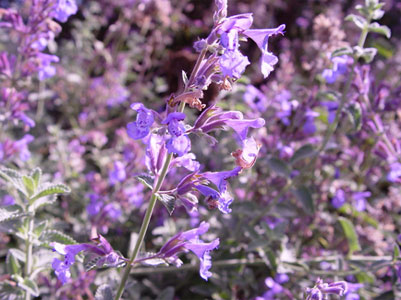
Nepeta ‘Walker’s Low’ The Perennial Plant Association has awarded the title of Perennial Plant of the Year to Nepeta ‘Walker’s Low’. Introduced in 1988 in Europe, Walker’s Low catmint has become increasingly popular with each passing year due to its lovely blue-violet flowers and its long bloom time, attractive grey-green foliage, ease of propagation, lack of pest or disease problems, and low maintenance requirements.
    • Hardiness - USDA Zones 3 to 8 • Size - 30 to 36 inches tall and wide. Walker’s Low is named for a garden and the name is not related to plant size • Light - Best in full sun, but can tolerate shade in hot climates • Soil - Prefers well drained soil and neutral pH • Uses - Good companion plant for early and late blooming plants. Great for perennial borders, but can be used in herb gardens, rock gardens, as a ground cover, or as a container plant. • Unique Qualities - Will bloom continuously throughout the season if properly pruned. Great for attracting bees, butterflies and other pollinating insects, but is deer and rabbit resistant. Leaves release a wonderful aroma when crushed.

Visit http://www.perennialplant.org/ to learn more about the Perennial Plant Association.

If you are interested in more information about perennials, Yardiac.com offers Andre Viettes Perennial Handbook. Look for more gardening guides, in the future. Also, don't miss out on our great selection of plant care products.

Monday, January 22, 2007

History of the Chrysanthemum

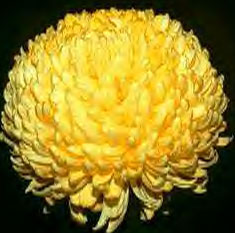
"If you want to be happy for a lifetime, grow Chrysanthemums." (a Chinese philosopher) The chrysanthemum was first cultivated in China as a flowering herb and is described in writings as early as the 15th Century B.C. In fact, their pottery depicted the chrysanthemum much as we know it today. As an herb, it was believed to have the power of life. Legend has it that the boiled roots were used as a headache remedy; young sprouts and petals were eaten in salads; and leaves were brewed for a festive drink. The ancient Chinese name for chrysanthemum is "Chu." The Chinese city of Chu-Hsien (which means Chrysanthemum City) was so named to honor the flower. Around the 8th century A.D., the chrysanthemum appeared in Japan. So taken were the Japanese with this flower that they adopted a single flowered chrysanthemum as the crest and official seal of the Emperor. The chrysanthemum in the crest is a 16-floret variety called "Ichimonjiginu." Family seals for prominent Japanese families also contain some type of chrysanthemum called a Kikimon -"Kiki" means chrysanthemum and "Mon" means crest. In Japan, the Imperial Order of the Chrysanthemum is the highest Order of Chivalry. Japan also has a National Chrysanthemum Day, which is called the Festival of Happiness. The chrysanthemum was first introduced into the Western world during the 17th Century. In 1753, Linnaeus, a Greek, determined the name by which we know the plant today - chrysos meaning gold, and anthemon meaning flower. Linnaeus was the founder of that branch of taxonomy dealing with plants and including the science of classification and identification. Experts say this is probably an accurate description of the ancient species, as it also points out the mum's need for sunlight. The earliest illustrations of mums show them as small, yellow daisy-like flowers. Ancient growers would not recognize modern mums. Although some mums still resemble daisies, others are more showy. Regardless of the flower type, they all belong to the Compositae, or daisy, family. In more recent times, growers within several countries began to propagate chrysanthemums. Hybridizers in England, France, Japan, and the United States have developed a wide range of floral colors, shapes, and sizes. Today, its colors include various shades of pink, purple, red, yellow, bronze or orange, and white. Since the chrysanthemum was first introduced into the United States during colonial times, its popularity has grown such that mums now reign as undisputed "Queen of the Fall Flowers." For many of us, our introduction to the chrysanthemum was a corsage for the girlfriends and mothers at Homecoming football games. Mums remain the most widely grown pot plant in the country and are one of the longest lasting of all cut flowers. This latter attribute, along with their artistic allure, make mums highly favored by floral arrangers. In the United States, the chrysanthemum is the largest commercially produced flower due to its ease of cultivation, capability to bloom on schedule, diversity of bloom forms and colors, and holding quality of the blooms. An interesting contrast to the positive feelings many Americans have of the chrysanthemum (football games, house-warming presents, get-well thoughts), is that in many European countries the chrysanthemum is known as the death flower. In countries such as Belgium and Austria, the chrysanthemum is used almost exclusively as a memorial on graves. There are so many varieties of chrysanthemums today that a system of classification is used to categorize and identify them. The classification is based on the type of florets and their growth pattern. Some chrysanthemum cultivars can be trained into different forms. Bonsai (pronounced bone-sigh) cultivars can be trained, in one year, into miniature forms, such as trees, that will match the character of a lifetime effort on deciduous or evergreen plants or trees. Some cultivars can be trained into a hemispherical form or, with skill and patience, they can be trained to look like a dog, a table and chair, or the human form. Cascading cultivars can be grown either as long pendulous drapes of blooms or trained as large fans, pillars, or trees. As a landscaping plant, the chrysanthemum makes a beautiful Fall display for the home garden. With skill and artistry, many varied effects can be achieved, even when only a small growing area is available. Chrysanthemums can accentuate an entrance way; provide the Fall colors to a season-long growing bed; or dominate a growing area with the many varied shapes, sizes, and colors. Used in this fashion, chrysanthemums provide an outstanding climax to the season before the colds of winter arrive. Longwood Gardens (in Kennett Square, Pennsylvania) and Cypress Gardens (in Cypress Gardens, Florida) are two locations that have annual displays that demonstrate many uses of the versatile and beautiful chrysanthemum. As with all gardening efforts, it is not luck or the so-called green thumb that achieves results, but rather hard work and dirty fingernails. Also, take a look at our selection of fertilizers, hand tools, and gloves, to protect those busy hands! Contributed by A.C.S.

Monday, February 20, 2006

Perennial of the Year!

FirewitchThe Perennial Plant Association has awarded the title, Perennial Plant of the Year 2006, to Dianthus Gratianopolitanus, commonly known as the Firewitch. Hardiness: Grows well in USDA Hardiness Zones 3-9 Light: Full sun Soil: Grows best in well-drained soils Uses The cheddar pink is excellent as a border edger, as a rock garden plant, planted in wall crevices, or as a ground cover on a sunny slope. It is at home in the herb garden, a formal border or a cottage garden. Planting Information Place Dianthus in full sun locations or in light shade in extremely hot climates in well-drained, neutral to slightly alkaline soil. Do not mulch with deep layers of organic matter. After flowering in late spring, the spent flowers should be cut back to promote rebloom later. Unique Qualities The enticing clove-like scent of this low-growing ornamental makes it the perfect choice for use in a border near the walkway. The blooms offer lingering fragrance. Placement near the walkway allows extra scent as passersby brush fragrant blossoms. Pert, bright blooms make Firewitch a perfect choice for the rock garden or for planting in wall crevices. The perennial quality creates a good ground cover on a sunny slope. The Perennial Plant Association has named Dianthus gratianopolitanus Feuerhexe (also known as Firewitch) 2006 Perennial Plant of the Year. Cheddar pink is the common name of this excellent sun exposure perennial. It is an evergreen selection with bluish-gray, silvery foliage and purplish-pink fragrant flowers in mid-spring. Rebloom can occur in the summer and into the fall. This cheddar pink is hardy from zones 3 to 9. Mature mats of this cheddar pink have foliage 3 to 4 inches tall and 6 to 12 inches wide. Flowers will reach 6 to 8 inches high. This evergreen perennial performs best in full sun in well-drained soils. History The genus Dianthus is a member of the Caryophyllaceae family with species found native to the Mediterranean , Balkan Peninsula, and Asia Minor regions. The genus contains annual, biennial, and perennial species and includes plants with the common names of carnations, sweet Williams, and pinks. The name Dianthus originates from the Greek dios and anthos, the divine flower, which refers to the flower of a god, an indication of the esteem in which the flower has always be held. The common name associated with Dianthus gratianopolitanus is cheddar pink. The origin of the term pink or pinks is likely from the Dutch Pinkster or the German Pfingsten for Pentecost, the time during which the plants bloom. Cheddar pinks are named for Cheddar Gorge in southwest England , one of the locations where it grows wild. The Kayser & Seibert Nursery of Germany introduced Dianthus gratianopolitanus Feuerhexe in 1957. It was largely unknown in North America until a Connecticut nurseryman discovered it in 1987. Pierre Bennerup of Sunny Border Nurseries Inc found two small plants of Feuerhexe in the Van Delft garden center in Noordwijkerhout, The Netherlands while traveling with a small group of perennial growers from the United States . He was impressed with the plants because they were in full bloom, well beyond the normal flowering season. Pierre purchased these two plants and started producing new plants from top cuttings. Plants were shared with other growers and the rest is history as thousands of Feuerhexe have been sold since this Dianthus was introduced into North America . Ornamental Qualities Dianthus gratianopolitanus Feuerhexe (Firewitch) is a low growing, mat-forming alpine plant with narrow bluish-gray foliage that remains evergreen. Brilliant purplish-pink flowers cover the plant at bloom time. The flower color has also been variously described as hot pink or purple red or magenta. The color combination of the foliage and flowers is striking at peak bloom in mid-spring. And if that werent enough, the air becomes perfumed from the scented flowers which have a spicy and clove-like fragrance. Peak bloom is mid- to late spring with rebloom occurring in the summer and fall especially when the spent flowers are removed. The foliage height is 3 to 4 inches with flower stems reaching to 8 inches. This favorite Cheddar pink is hardy from USDA zones of 3 to 9. Landscape Use FirewitchThe landscape possibilities for this cheddar pink are vast. It is excellent as a border edger, as a rock garden plant, planted in wall crevices, or as a ground cover on a sunny slope. It is at home in the herb garden, a formal border or a cottage garden. Plant combinations that work with this Dianthus include Siberian iris ( Iris sibirica) in the spring, later on with threadleaf coreopsis (C oreopsis verticillata Moonbeam or Zagreb ) and in the fall match Firewitch with plumbago ( Ceratostigma plumbaginoides). The striking gentian blue flowers of plumbago compliment the color of the Dianthus foliage. And the bronze fall color of plumbago and the silvery foliage of Dianthus is sensational. A cottage garden look can be created with a combination of Feuerhexe and catmint either Nepeta x faassenii Walker's Low or Blue Wonder. The fragrant garden or the well-traveled walkway is another choice for this perennial with the clove-spiced fragrance. Cultivation Dianthus gratianopolitanus Feuerhexe (Firewitch) is easily grown if a few cultural tips are followed. Dianthus selections should be sited in full sun locations or in light shade in extremely hot climates. The soil should be well-drained and neutral to slightly alkaline. Plants placed in poorly drained soils will eventually deteriorate. In moderate to high rainfall areas, one should mulch with pea stone or gravel to keep foliage clean and dry. Do not mulch with deep layers of organic matter, especially in winter. After flowering in late spring, the spent flowers should be cut back which will promote rebloom later in the season. Eliminating plant stress created by improper cultural techniques can prevent potential disease problems, such as rust, leaf spot, root rot, and Fusarium wilt. Propagation Dianthus gratianopolitanus cultivars are propagated by tip and heel cuttings or division before or immediately after flowering. Dianthus species are propagated from seed in late winter to early spring. Home gardeners can also propagate selected cheddar pinks by layering. Visit www.perennialplant.org to learn more about the Perennial Plant Association. If you are interested in more information about perennials, Yardiac.com offers Andre Viettes Perennial Handbook. Look for more gardening guides, in the future. Also, don't miss out on our great selection of plant care products.