 Green Light Amaze is a selective, pre-emergence herbicide that is a surface applied (non-incorporated) treatment. Amaze Granules will remain stable on the soil surface; however, rainfall or irrigation is needed to move the product into the weed seed germinating layer of the soil
Weeds Controlled: Grasses such as Barnyardgrass, Crabgrass, Goosegrass, Johnsongrass (seedling), Panicum, and Sandbur. Broadleaf weeds such as Chickweed, Henbit, Lambsquarters, Pigweed, Purslane, Spurge, and Woodsorrel.
Turf: Use Amaze Granules for control of Sandbur (Grassbur) in warm season turf. Application to established St. Augustine, Bermuda, Centipede, and Zoysia grasses should be made prior to seed germination (early spring). Apply at the rate of 2.5 to 3.5 pounds per 1,000 square feet. One 8 lb. bag covers 2,000 square feet for control of Sandbur (Grassbur) in established turf.
Ornamentals: Amaze Granules can be used on Abelias, Azaleas, Boxwood, Chrysanthemums, Euonymus, Gardenias, Geraniums, Hibiscus, Holly, Honeysuckle, Ice Plants, Impatiens, Junipers, Marigolds, Nandinas, Pansies, Periwinkles, Petunias, Photinias, Rhododendrons, Roses, Viburnums, Zinnias, and others.
Green Light Amaze is a selective, pre-emergence herbicide that is a surface applied (non-incorporated) treatment. Amaze Granules will remain stable on the soil surface; however, rainfall or irrigation is needed to move the product into the weed seed germinating layer of the soil
Weeds Controlled: Grasses such as Barnyardgrass, Crabgrass, Goosegrass, Johnsongrass (seedling), Panicum, and Sandbur. Broadleaf weeds such as Chickweed, Henbit, Lambsquarters, Pigweed, Purslane, Spurge, and Woodsorrel.
Turf: Use Amaze Granules for control of Sandbur (Grassbur) in warm season turf. Application to established St. Augustine, Bermuda, Centipede, and Zoysia grasses should be made prior to seed germination (early spring). Apply at the rate of 2.5 to 3.5 pounds per 1,000 square feet. One 8 lb. bag covers 2,000 square feet for control of Sandbur (Grassbur) in established turf.
Ornamentals: Amaze Granules can be used on Abelias, Azaleas, Boxwood, Chrysanthemums, Euonymus, Gardenias, Geraniums, Hibiscus, Holly, Honeysuckle, Ice Plants, Impatiens, Junipers, Marigolds, Nandinas, Pansies, Periwinkles, Petunias, Photinias, Rhododendrons, Roses, Viburnums, Zinnias, and others.
Showing posts with label Weed Control and Prevention. Show all posts
Showing posts with label Weed Control and Prevention. Show all posts
Wednesday, March 17, 2010
Pre-Emergent Weed Control
Garden.com offers a product called Amaze Pre-Emergence Herbicide. It has been tested to keep your flowerbeds Weed Free for 6-8 Months.
Green Light Amaze is a selective, pre-emergence herbicide that is a surface applied (non-incorporated) treatment. Amaze Granules will remain stable on the soil surface; however, rainfall or irrigation is needed to move the product into the weed seed germinating layer of the soil
Weeds Controlled: Grasses such as Barnyardgrass, Crabgrass, Goosegrass, Johnsongrass (seedling), Panicum, and Sandbur. Broadleaf weeds such as Chickweed, Henbit, Lambsquarters, Pigweed, Purslane, Spurge, and Woodsorrel.
Turf: Use Amaze Granules for control of Sandbur (Grassbur) in warm season turf. Application to established St. Augustine, Bermuda, Centipede, and Zoysia grasses should be made prior to seed germination (early spring). Apply at the rate of 2.5 to 3.5 pounds per 1,000 square feet. One 8 lb. bag covers 2,000 square feet for control of Sandbur (Grassbur) in established turf.
Ornamentals: Amaze Granules can be used on Abelias, Azaleas, Boxwood, Chrysanthemums, Euonymus, Gardenias, Geraniums, Hibiscus, Holly, Honeysuckle, Ice Plants, Impatiens, Junipers, Marigolds, Nandinas, Pansies, Periwinkles, Petunias, Photinias, Rhododendrons, Roses, Viburnums, Zinnias, and others.
Green Light Amaze is a selective, pre-emergence herbicide that is a surface applied (non-incorporated) treatment. Amaze Granules will remain stable on the soil surface; however, rainfall or irrigation is needed to move the product into the weed seed germinating layer of the soil
Weeds Controlled: Grasses such as Barnyardgrass, Crabgrass, Goosegrass, Johnsongrass (seedling), Panicum, and Sandbur. Broadleaf weeds such as Chickweed, Henbit, Lambsquarters, Pigweed, Purslane, Spurge, and Woodsorrel.
Turf: Use Amaze Granules for control of Sandbur (Grassbur) in warm season turf. Application to established St. Augustine, Bermuda, Centipede, and Zoysia grasses should be made prior to seed germination (early spring). Apply at the rate of 2.5 to 3.5 pounds per 1,000 square feet. One 8 lb. bag covers 2,000 square feet for control of Sandbur (Grassbur) in established turf.
Ornamentals: Amaze Granules can be used on Abelias, Azaleas, Boxwood, Chrysanthemums, Euonymus, Gardenias, Geraniums, Hibiscus, Holly, Honeysuckle, Ice Plants, Impatiens, Junipers, Marigolds, Nandinas, Pansies, Periwinkles, Petunias, Photinias, Rhododendrons, Roses, Viburnums, Zinnias, and others.


Tuesday, September 22, 2009
Electrocute Your Weeds!
 We tested this innovative weed killer recently and are pleased to report positive results. It's called the Nature Zap Electric Weed Killer and it uses thermogenic (heat) energy to stop normal plant functions and kill the weed at the root.
The Nature Zap applies the right amount of heat (400 Degrees Fareinheight ) into the weed's root, root crown, and leaves, setting off a chain of events that kills the weed. The "thermo-eradicating" process stimulates the fungus in the ground around the weed. The heat cuts off the water supply to the bottom of the root and ruptures the cells. The naturally occurring fungus in the soil then eats the root, which in turn eliminates the weed, not just the weed's leaves.
Our tests delivered positive results, showing instant kill and no re-growth after six weeks. The major advantage the Nature Zap has over chemical killers is the the ability to selectively kill the weeds we did not want and avoided the plants you want thrive.
Never Pick Weeds Again - Just Zap 'em!
We tested this innovative weed killer recently and are pleased to report positive results. It's called the Nature Zap Electric Weed Killer and it uses thermogenic (heat) energy to stop normal plant functions and kill the weed at the root.
The Nature Zap applies the right amount of heat (400 Degrees Fareinheight ) into the weed's root, root crown, and leaves, setting off a chain of events that kills the weed. The "thermo-eradicating" process stimulates the fungus in the ground around the weed. The heat cuts off the water supply to the bottom of the root and ruptures the cells. The naturally occurring fungus in the soil then eats the root, which in turn eliminates the weed, not just the weed's leaves.
Our tests delivered positive results, showing instant kill and no re-growth after six weeks. The major advantage the Nature Zap has over chemical killers is the the ability to selectively kill the weeds we did not want and avoided the plants you want thrive.
Never Pick Weeds Again - Just Zap 'em!
Thursday, July 23, 2009
Identify Poison Ivy, Oak and Sumac
Mother burned an expression in my skull - "Leaves of Three - let them be". This applies to poison ivy and poison oak but as I learned recently not Poison Sumac! If Yes after now that the excruciating, itchy blisters and rashes have started to disappear I thought we should get a little more granular than Mom's catchy phrase.
 Poison Ivy: Three leaves arise from each branch; the plant can grow in vine or shrub form. Its berries are white and leaves are typically shiny. Poison Ivy is found across the Entire USA and Canada.
Poison Oak: Three green leaves (reddish in the spring) grow on a vine or shrub. The leaves resemble those of an oak tree but with rough edges. The plants berries turn white. Poison Oak strikes from New Jersey to Texas and along the West Coast.
Poison Sumac: The easiest way to identify this plant is by its red stem. Poison Sumac can sport up to 13 leaves per stem and grows in the form of a tree or shrub. Green berries grow between the leaves and the branch rather than on the end of the branch. Good news for you West Coasters Poison Sumac is only found on the East Coast.
Eradicate these pesky plant with the
Poison Ivy: Three leaves arise from each branch; the plant can grow in vine or shrub form. Its berries are white and leaves are typically shiny. Poison Ivy is found across the Entire USA and Canada.
Poison Oak: Three green leaves (reddish in the spring) grow on a vine or shrub. The leaves resemble those of an oak tree but with rough edges. The plants berries turn white. Poison Oak strikes from New Jersey to Texas and along the West Coast.
Poison Sumac: The easiest way to identify this plant is by its red stem. Poison Sumac can sport up to 13 leaves per stem and grows in the form of a tree or shrub. Green berries grow between the leaves and the branch rather than on the end of the branch. Good news for you West Coasters Poison Sumac is only found on the East Coast.
Eradicate these pesky plant with the
Poison Ivy: Three leaves arise from each branch; the plant can grow in vine or shrub form. Its berries are white and leaves are typically shiny. Poison Ivy is found across the Entire USA and Canada.
Poison Oak: Three green leaves (reddish in the spring) grow on a vine or shrub. The leaves resemble those of an oak tree but with rough edges. The plants berries turn white. Poison Oak strikes from New Jersey to Texas and along the West Coast.
Poison Sumac: The easiest way to identify this plant is by its red stem. Poison Sumac can sport up to 13 leaves per stem and grows in the form of a tree or shrub. Green berries grow between the leaves and the branch rather than on the end of the branch. Good news for you West Coasters Poison Sumac is only found on the East Coast.
Eradicate these pesky plant with the
Monday, April 13, 2009
Selectively Killing Weeds in Southern Turf
 The elimination of weeds in highly sensitive southern grasses (bermuda, zoysia, St Augustine etc.) can seem like an impossible task. If you have a lawn with southern turf you understand how difficult it is to selectively kill the weeds and not your lawn.
We have been testing Image Nutsedge Killer. It is a postemergent selective herbicide for use on southern turfgrass and selected ornamentals. Our testing has have provieded very favorable results. Here is why it works: Image has a special patented formula that starves weeds to death!
Image Nutsedge Killer works when the liquid is absorbed by the foliage and directly through the root system of weeds. With rapid uptake via the root system or through foliage absorption, IMAGE Herbicide works to inhibit the production of certain enzymes necessary for photosynthesis (a plant's life-sustaining process). Without photosynthesis, weeds can not grow and literally starve to death.
Image Nutsedge Killer is labeled for use on Bermudagrass, St. Augustine grass, Centipedegrass, and Zoysiagrass, as well as many ground covers and ornamental shrubs.
Click to see what Weeds Image is effective against
The elimination of weeds in highly sensitive southern grasses (bermuda, zoysia, St Augustine etc.) can seem like an impossible task. If you have a lawn with southern turf you understand how difficult it is to selectively kill the weeds and not your lawn.
We have been testing Image Nutsedge Killer. It is a postemergent selective herbicide for use on southern turfgrass and selected ornamentals. Our testing has have provieded very favorable results. Here is why it works: Image has a special patented formula that starves weeds to death!
Image Nutsedge Killer works when the liquid is absorbed by the foliage and directly through the root system of weeds. With rapid uptake via the root system or through foliage absorption, IMAGE Herbicide works to inhibit the production of certain enzymes necessary for photosynthesis (a plant's life-sustaining process). Without photosynthesis, weeds can not grow and literally starve to death.
Image Nutsedge Killer is labeled for use on Bermudagrass, St. Augustine grass, Centipedegrass, and Zoysiagrass, as well as many ground covers and ornamental shrubs.
Click to see what Weeds Image is effective against
Sunday, April 12, 2009
Eliminating Moss Quickly

Removing moss from your lawn used to be a long laborious task until recently. If you have developed patches of thick, dark green mats on your soil's surface. Due to a flaw in your yard, moss has moved in and is continuing to spread. Bayer has developed a product that kills moss and algae on lawns, decks, patios, fences, mulch, driveways, gravels plus roofs and buildings. Follow these steps to remove the moss from your lawn.
Moss Removal Steps- Apply the moss killer to the yard
- Give it time to turn the moss black in color.
- Rake out the black moss with an iron rake
- Reseed the Bare Spots to prevent Moss from returning
Remember a strong turf will always choke out weeds or moss so be sure to keep your lawn properly watered and fertilized.
Tuesday, March 17, 2009
Corn Gluten - The Natural Herbicide
Safe For Your Vegetables, Flowers and Lawn
In 1985, a research project began at Iowa State University, by award winning scientist Dr. Nick Christians. His experiments led to the development of Concern Weed Prevention Plus, a natural product for weed control made from 100% corn gluten meal.
Corn gluten meal is a by-product of the wet-milling process  and is sold as a feed material for cattle, poultry, and other livestock. It has been used in fish food, for commercial fish production, and is also a primary ingredient in many dog food products. Corn gluten meal is produced as a fine yellow powder and is pelletized for easier application to the soil.
Here's How It Works
The corn gluten meal in Concern Weed Prevention Plus inhibits root formation of germinating weeds. Without roots, the weed plants cannot get water, and soon die.
Learn Why We Call It Plus
Corn gluten meal is composed of 10% nitrogen. Nitrogen is a valuable plant nutrient responsible for the vivid green color of healthy plants. The nitrogen in Weed Prevention Plus is in a natural slow-release form. This means it becomes available to the plants over an extended period of time, so it will not burn your plants. Applying Weed Prevention Plus not only controls weeds, but contributes to healthier plants and soil. Plants need a complete, and complex, range of nutrients for optimum growth. Use your regular fertilizer along with Weed Prevention Plus without fear of overfeeding.
RESEARCH DATA
Dr. Christians' original project was designed to study the effects of a fungal pathogen on grasses. Corn gluten meal was combined with a fungus organism and then applied to the soil of a new golf course green at the field research area. At the same time, adjacent field areas were treated with the same amount of corn meal without the fungus. The study area was then seeded with creeping bentgrass.While the fungal organism/corn meal combination did not have the reducing effect on the grass that was anticipated, the control plots that received only raw corn gluten meal did have very thin grass stands. Close observation showed that something in the gluten meal stopped normal root formation at the time of germination while shoot tissue developed normally. When the soil surface dried, plants that had not developed a root system simply died.Field tests established that corn gluten meal could be used to inhibit the establishment of annual weeds, such as crabgrass, that germinate into turf. In July 1991, U.S. Patent No. 5,030,268 was issued on the use of corn gluten meal as a natural preemergence herbicide, on turf. Following submission of new data resulting from new research, the original patent was reissued in April 1994 as U.S. Patent Re. 34594. This reissue expands the original claims to include uses in field crops, gardens, and other agricultural areas.
SPECIES AFFECTED
Twenty-two plants species have been screened for susceptibility to corn gluten meal: black medic, black nightshade, buckhorn plantain, catchweed bedstraw, common lambsquarters, curly dock, dandelion, purslane, redroot pigweed, velvetleaf, annual bluegrass, barnyardgrass, creeping bentgrass, giant foxtail, green
and is sold as a feed material for cattle, poultry, and other livestock. It has been used in fish food, for commercial fish production, and is also a primary ingredient in many dog food products. Corn gluten meal is produced as a fine yellow powder and is pelletized for easier application to the soil.
Here's How It Works
The corn gluten meal in Concern Weed Prevention Plus inhibits root formation of germinating weeds. Without roots, the weed plants cannot get water, and soon die.
Learn Why We Call It Plus
Corn gluten meal is composed of 10% nitrogen. Nitrogen is a valuable plant nutrient responsible for the vivid green color of healthy plants. The nitrogen in Weed Prevention Plus is in a natural slow-release form. This means it becomes available to the plants over an extended period of time, so it will not burn your plants. Applying Weed Prevention Plus not only controls weeds, but contributes to healthier plants and soil. Plants need a complete, and complex, range of nutrients for optimum growth. Use your regular fertilizer along with Weed Prevention Plus without fear of overfeeding.
RESEARCH DATA
Dr. Christians' original project was designed to study the effects of a fungal pathogen on grasses. Corn gluten meal was combined with a fungus organism and then applied to the soil of a new golf course green at the field research area. At the same time, adjacent field areas were treated with the same amount of corn meal without the fungus. The study area was then seeded with creeping bentgrass.While the fungal organism/corn meal combination did not have the reducing effect on the grass that was anticipated, the control plots that received only raw corn gluten meal did have very thin grass stands. Close observation showed that something in the gluten meal stopped normal root formation at the time of germination while shoot tissue developed normally. When the soil surface dried, plants that had not developed a root system simply died.Field tests established that corn gluten meal could be used to inhibit the establishment of annual weeds, such as crabgrass, that germinate into turf. In July 1991, U.S. Patent No. 5,030,268 was issued on the use of corn gluten meal as a natural preemergence herbicide, on turf. Following submission of new data resulting from new research, the original patent was reissued in April 1994 as U.S. Patent Re. 34594. This reissue expands the original claims to include uses in field crops, gardens, and other agricultural areas.
SPECIES AFFECTED
Twenty-two plants species have been screened for susceptibility to corn gluten meal: black medic, black nightshade, buckhorn plantain, catchweed bedstraw, common lambsquarters, curly dock, dandelion, purslane, redroot pigweed, velvetleaf, annual bluegrass, barnyardgrass, creeping bentgrass, giant foxtail, green  foxtail, large crabgrass, orchardgrass, quackgrass, shattercane, smooth crabgrass, wooly cupgrass, and yellow foxtail. Corn gluten meal significantly reduced plant survival, shoot length, and root development of all tested species.
EFFECTIVENESS
Applied at a rate of 20 lbs. per 1000 sq. ft. in both the spring and fall, corn gluten meal reduced crabgrass by 86% at the end of the first year; 98% at the end of the second year. Dandelion infestation was reduced 100% in plots treated for four years at the 20 lbs. per sq. ft. rate when applied in the spring and fall.There is no postemergence effect of corn gluten meal on weeds, grasses or plants. For optimum control apply Concern Weed Prevention Plus a few weeks before germination. Water in if there is no rain. Weeds without an established roots system need a drying out period of 2-3 days, in order to effectively kill the emerging weed.
foxtail, large crabgrass, orchardgrass, quackgrass, shattercane, smooth crabgrass, wooly cupgrass, and yellow foxtail. Corn gluten meal significantly reduced plant survival, shoot length, and root development of all tested species.
EFFECTIVENESS
Applied at a rate of 20 lbs. per 1000 sq. ft. in both the spring and fall, corn gluten meal reduced crabgrass by 86% at the end of the first year; 98% at the end of the second year. Dandelion infestation was reduced 100% in plots treated for four years at the 20 lbs. per sq. ft. rate when applied in the spring and fall.There is no postemergence effect of corn gluten meal on weeds, grasses or plants. For optimum control apply Concern Weed Prevention Plus a few weeks before germination. Water in if there is no rain. Weeds without an established roots system need a drying out period of 2-3 days, in order to effectively kill the emerging weed.
 and is sold as a feed material for cattle, poultry, and other livestock. It has been used in fish food, for commercial fish production, and is also a primary ingredient in many dog food products. Corn gluten meal is produced as a fine yellow powder and is pelletized for easier application to the soil.
Here's How It Works
The corn gluten meal in Concern Weed Prevention Plus inhibits root formation of germinating weeds. Without roots, the weed plants cannot get water, and soon die.
Learn Why We Call It Plus
Corn gluten meal is composed of 10% nitrogen. Nitrogen is a valuable plant nutrient responsible for the vivid green color of healthy plants. The nitrogen in Weed Prevention Plus is in a natural slow-release form. This means it becomes available to the plants over an extended period of time, so it will not burn your plants. Applying Weed Prevention Plus not only controls weeds, but contributes to healthier plants and soil. Plants need a complete, and complex, range of nutrients for optimum growth. Use your regular fertilizer along with Weed Prevention Plus without fear of overfeeding.
RESEARCH DATA
Dr. Christians' original project was designed to study the effects of a fungal pathogen on grasses. Corn gluten meal was combined with a fungus organism and then applied to the soil of a new golf course green at the field research area. At the same time, adjacent field areas were treated with the same amount of corn meal without the fungus. The study area was then seeded with creeping bentgrass.While the fungal organism/corn meal combination did not have the reducing effect on the grass that was anticipated, the control plots that received only raw corn gluten meal did have very thin grass stands. Close observation showed that something in the gluten meal stopped normal root formation at the time of germination while shoot tissue developed normally. When the soil surface dried, plants that had not developed a root system simply died.Field tests established that corn gluten meal could be used to inhibit the establishment of annual weeds, such as crabgrass, that germinate into turf. In July 1991, U.S. Patent No. 5,030,268 was issued on the use of corn gluten meal as a natural preemergence herbicide, on turf. Following submission of new data resulting from new research, the original patent was reissued in April 1994 as U.S. Patent Re. 34594. This reissue expands the original claims to include uses in field crops, gardens, and other agricultural areas.
SPECIES AFFECTED
Twenty-two plants species have been screened for susceptibility to corn gluten meal: black medic, black nightshade, buckhorn plantain, catchweed bedstraw, common lambsquarters, curly dock, dandelion, purslane, redroot pigweed, velvetleaf, annual bluegrass, barnyardgrass, creeping bentgrass, giant foxtail, green
and is sold as a feed material for cattle, poultry, and other livestock. It has been used in fish food, for commercial fish production, and is also a primary ingredient in many dog food products. Corn gluten meal is produced as a fine yellow powder and is pelletized for easier application to the soil.
Here's How It Works
The corn gluten meal in Concern Weed Prevention Plus inhibits root formation of germinating weeds. Without roots, the weed plants cannot get water, and soon die.
Learn Why We Call It Plus
Corn gluten meal is composed of 10% nitrogen. Nitrogen is a valuable plant nutrient responsible for the vivid green color of healthy plants. The nitrogen in Weed Prevention Plus is in a natural slow-release form. This means it becomes available to the plants over an extended period of time, so it will not burn your plants. Applying Weed Prevention Plus not only controls weeds, but contributes to healthier plants and soil. Plants need a complete, and complex, range of nutrients for optimum growth. Use your regular fertilizer along with Weed Prevention Plus without fear of overfeeding.
RESEARCH DATA
Dr. Christians' original project was designed to study the effects of a fungal pathogen on grasses. Corn gluten meal was combined with a fungus organism and then applied to the soil of a new golf course green at the field research area. At the same time, adjacent field areas were treated with the same amount of corn meal without the fungus. The study area was then seeded with creeping bentgrass.While the fungal organism/corn meal combination did not have the reducing effect on the grass that was anticipated, the control plots that received only raw corn gluten meal did have very thin grass stands. Close observation showed that something in the gluten meal stopped normal root formation at the time of germination while shoot tissue developed normally. When the soil surface dried, plants that had not developed a root system simply died.Field tests established that corn gluten meal could be used to inhibit the establishment of annual weeds, such as crabgrass, that germinate into turf. In July 1991, U.S. Patent No. 5,030,268 was issued on the use of corn gluten meal as a natural preemergence herbicide, on turf. Following submission of new data resulting from new research, the original patent was reissued in April 1994 as U.S. Patent Re. 34594. This reissue expands the original claims to include uses in field crops, gardens, and other agricultural areas.
SPECIES AFFECTED
Twenty-two plants species have been screened for susceptibility to corn gluten meal: black medic, black nightshade, buckhorn plantain, catchweed bedstraw, common lambsquarters, curly dock, dandelion, purslane, redroot pigweed, velvetleaf, annual bluegrass, barnyardgrass, creeping bentgrass, giant foxtail, green  foxtail, large crabgrass, orchardgrass, quackgrass, shattercane, smooth crabgrass, wooly cupgrass, and yellow foxtail. Corn gluten meal significantly reduced plant survival, shoot length, and root development of all tested species.
EFFECTIVENESS
Applied at a rate of 20 lbs. per 1000 sq. ft. in both the spring and fall, corn gluten meal reduced crabgrass by 86% at the end of the first year; 98% at the end of the second year. Dandelion infestation was reduced 100% in plots treated for four years at the 20 lbs. per sq. ft. rate when applied in the spring and fall.There is no postemergence effect of corn gluten meal on weeds, grasses or plants. For optimum control apply Concern Weed Prevention Plus a few weeks before germination. Water in if there is no rain. Weeds without an established roots system need a drying out period of 2-3 days, in order to effectively kill the emerging weed.
foxtail, large crabgrass, orchardgrass, quackgrass, shattercane, smooth crabgrass, wooly cupgrass, and yellow foxtail. Corn gluten meal significantly reduced plant survival, shoot length, and root development of all tested species.
EFFECTIVENESS
Applied at a rate of 20 lbs. per 1000 sq. ft. in both the spring and fall, corn gluten meal reduced crabgrass by 86% at the end of the first year; 98% at the end of the second year. Dandelion infestation was reduced 100% in plots treated for four years at the 20 lbs. per sq. ft. rate when applied in the spring and fall.There is no postemergence effect of corn gluten meal on weeds, grasses or plants. For optimum control apply Concern Weed Prevention Plus a few weeks before germination. Water in if there is no rain. Weeds without an established roots system need a drying out period of 2-3 days, in order to effectively kill the emerging weed.
Wednesday, January 14, 2009
Prevent Weeds in Your Lawn Now
The best way to keep your lawn as weed free as possible is to start early. Now, 
Corn Gluten is one of the best weed preventers on the market for numerous reasons, the first being that it is a 100% natural and organic product. It is safe for using around pets, children, and wildlife. It is also highly effective. In a multi-year study on
You will want to use it in early spring, and again in early fall. What you are doing is catching the weeds before they hatch, or germinate. 
Click on the bag of Corn Gluten to see a video about using Corn Gluten at your home.
Friday, January 18, 2008
Killing Weeds Wth Heat - Not Chemicals
 Yardiac.com has just discovered and is introducing NatureZap an electric weed-treatment tool that allows you to safely eliminate weeds using heat, not hazardous chemicals.
Nature Zap Weed Killer features thermogenic weed control. “When you place a heated element into a weed’s root, you start the natural process that kills the weed,” inventor John Jackson explains. NatureZap applies just the right amount of heat to the root, root crown, and leaves of weeds to disrupt normal plant function. This disruption makes weeds susceptible to the aggressive naturally occurring fungus that in turn decomposes the weeds’ roots. Although other weed-treatment systems that use heat (e.g., flames) are available, they aren’t as effective as NatureZap. Our product applies heat directly to the root, not just the surface.”
Yardiac.com has just discovered and is introducing NatureZap an electric weed-treatment tool that allows you to safely eliminate weeds using heat, not hazardous chemicals.
Nature Zap Weed Killer features thermogenic weed control. “When you place a heated element into a weed’s root, you start the natural process that kills the weed,” inventor John Jackson explains. NatureZap applies just the right amount of heat to the root, root crown, and leaves of weeds to disrupt normal plant function. This disruption makes weeds susceptible to the aggressive naturally occurring fungus that in turn decomposes the weeds’ roots. Although other weed-treatment systems that use heat (e.g., flames) are available, they aren’t as effective as NatureZap. Our product applies heat directly to the root, not just the surface.”
 “Using dandelions as the weed subject, we experimented with both temperature and heat duration to see what was needed to cause enough of a change in the soil’s temperature to effectively kill the weed’s root,” said Dr. Cadance Lowell, chair of the Department of Natural Sciences at Central State. “Stabbing the weed’s root and heating it to 400 °F cuts off the water supply to the bottom of the root and causes cellular damage that kills it.”
NatureZap’s technology allows users to target weeds without worrying about killing flowers, plants and grass from over spraying or over exposure to chemicals. That’s not the case when you use chemicals,” notes Jackson . NatureZap is also safe to use around children and pets. “Because heat is used to treat weeds,” Jackson continues, “you don’t have
“Using dandelions as the weed subject, we experimented with both temperature and heat duration to see what was needed to cause enough of a change in the soil’s temperature to effectively kill the weed’s root,” said Dr. Cadance Lowell, chair of the Department of Natural Sciences at Central State. “Stabbing the weed’s root and heating it to 400 °F cuts off the water supply to the bottom of the root and causes cellular damage that kills it.”
NatureZap’s technology allows users to target weeds without worrying about killing flowers, plants and grass from over spraying or over exposure to chemicals. That’s not the case when you use chemicals,” notes Jackson . NatureZap is also safe to use around children and pets. “Because heat is used to treat weeds,” Jackson continues, “you don’t have  to worry about your children or your pets walking on the grass right after you’ve used NatureZap.”
Extensive research and testing was done on NatureZap before bringing it to market. Students at Central State University ’s Department of Natural Sciences were instrumental in the initial research and testing.
Don't miss the video! All you have to do is click on the picture above.
to worry about your children or your pets walking on the grass right after you’ve used NatureZap.”
Extensive research and testing was done on NatureZap before bringing it to market. Students at Central State University ’s Department of Natural Sciences were instrumental in the initial research and testing.
Don't miss the video! All you have to do is click on the picture above.
Friday, August 03, 2007
Battling the Ivy
Poison ivy, poison oak and poison sumac are the most frequent cause of allergic reactions, affecting as many as 10 million Americans each year!! So, be informed, and safeguard your family, as you enjoy the Summer.
Leaves of Three, Let Them Be: Poison Ivy, Poison Oak Poison Sumac
Recognize: Poison Ivy and Poison Oak have an extended middle leaf. In fact, Poison Sumac has seven green leaves.  Poison Ivy
A climbing plant that is especially common in the eastern and central U.S., that has leaves in groups of three, greenish flowers, and white berries, and that produces a very irritating oil usually causing an intensely itchy skin rash.
Poison Oak
Also a climbing plant, very similar, in comparison. It can also grow like a shrub, and climb upwards of eight feet. It has the same effects, on the skin.
Poison Sumac
An American swamp shrub that has smooth, but feather-like, leaves, greenish fl.owers, and greenish white berries and produces an irritating oil. Also called Poison Dogwood.
Poison Ivy
A climbing plant that is especially common in the eastern and central U.S., that has leaves in groups of three, greenish flowers, and white berries, and that produces a very irritating oil usually causing an intensely itchy skin rash.
Poison Oak
Also a climbing plant, very similar, in comparison. It can also grow like a shrub, and climb upwards of eight feet. It has the same effects, on the skin.
Poison Sumac
An American swamp shrub that has smooth, but feather-like, leaves, greenish fl.owers, and greenish white berries and produces an irritating oil. Also called Poison Dogwood.
 All three of these offenders use the same method of communication. They secrete an oil, found in the leaves. For most people, when they come in contact with the oil, the skin becomes irritated, and itchy. It starts out with small red bumps, and, if not treated, can turn into quite a nasty rash. -- Luckily, it's not contagious.
Be sure to wash the effected area thoroughly. Once the oil is removed from the skin, and the clothing, it cannot spread. You may treat it, using a variety of methods. There are lots of creams, lotions, and sprays, offered in your local drug store, as well as a variety of antihistamines.
The best way to prevent an outbreak is to be informed. Learn to recognize the plants, and be cognizant of how it spreads. When your family comes home, from an outing, change clothes, right away. Rinse exposed skin, that may have came in contact with the oil.
All three of these offenders use the same method of communication. They secrete an oil, found in the leaves. For most people, when they come in contact with the oil, the skin becomes irritated, and itchy. It starts out with small red bumps, and, if not treated, can turn into quite a nasty rash. -- Luckily, it's not contagious.
Be sure to wash the effected area thoroughly. Once the oil is removed from the skin, and the clothing, it cannot spread. You may treat it, using a variety of methods. There are lots of creams, lotions, and sprays, offered in your local drug store, as well as a variety of antihistamines.
The best way to prevent an outbreak is to be informed. Learn to recognize the plants, and be cognizant of how it spreads. When your family comes home, from an outing, change clothes, right away. Rinse exposed skin, that may have came in contact with the oil.
Poison Ivy
A climbing plant that is especially common in the eastern and central U.S., that has leaves in groups of three, greenish flowers, and white berries, and that produces a very irritating oil usually causing an intensely itchy skin rash.
Poison Oak
Also a climbing plant, very similar, in comparison. It can also grow like a shrub, and climb upwards of eight feet. It has the same effects, on the skin.
Poison Sumac
An American swamp shrub that has smooth, but feather-like, leaves, greenish fl.owers, and greenish white berries and produces an irritating oil. Also called Poison Dogwood.
All three of these offenders use the same method of communication. They secrete an oil, found in the leaves. For most people, when they come in contact with the oil, the skin becomes irritated, and itchy. It starts out with small red bumps, and, if not treated, can turn into quite a nasty rash. -- Luckily, it's not contagious.
Be sure to wash the effected area thoroughly. Once the oil is removed from the skin, and the clothing, it cannot spread. You may treat it, using a variety of methods. There are lots of creams, lotions, and sprays, offered in your local drug store, as well as a variety of antihistamines.
The best way to prevent an outbreak is to be informed. Learn to recognize the plants, and be cognizant of how it spreads. When your family comes home, from an outing, change clothes, right away. Rinse exposed skin, that may have came in contact with the oil.
Friday, January 05, 2007
Crabgrass Control
Once Crabgrass gets foothold in your lawn it can be difficult to fend off (even with  the best pre-emergent control products)! However, it can be done! Here is what we recommend!
The first step is to purchase our Crabgrass Killer! This chemical is formulated to specifically attack the roots of crabgrass! It is a Post-emergence control for grassy weeds in Bermuda, zoysia and bluegrass lawns. It kills crabgrass, sandbur, dallisgrass, johnsongrass, goosegrass, barnyardgrass and more.
This concentrate and will cover up to 4,000 square feet! For Blue Grass, mix 2 oz (4 tablespoons) in 1 gallon of water, to cover 200 sq. ft. Spot treat the areas that are infested with crabgrass.
The second step is critical for optimal application -- always mix a "Spreader Sticker" with the weed killing chemical.
The "spreader sticker" we recommend is called Wilt Pruf. Mixing a spreader sticker (1 oz. per gallon) with a weed killer will ensure the chemical spreads over the entire foliage area and then sticks! As an added benefit, it will keep an application from washing off during an unexpected spring rain storm!
The weed should begin to wilt and brown within 5 days -- spot treat as needed every two weeks until you have killed off that nasty crabgrass! It should not take more than 2-3 applications to wipe out event he most mature crabgrass.
A couple of other notes: For best results, apply Crabgrass Killer to the lawn in the morning (after dew has dried) on a sunny, calm day to allow maximum absorption of the weed killer. Higher temperatures result in a quicker uptake of this product for faster control. However, do
the best pre-emergent control products)! However, it can be done! Here is what we recommend!
The first step is to purchase our Crabgrass Killer! This chemical is formulated to specifically attack the roots of crabgrass! It is a Post-emergence control for grassy weeds in Bermuda, zoysia and bluegrass lawns. It kills crabgrass, sandbur, dallisgrass, johnsongrass, goosegrass, barnyardgrass and more.
This concentrate and will cover up to 4,000 square feet! For Blue Grass, mix 2 oz (4 tablespoons) in 1 gallon of water, to cover 200 sq. ft. Spot treat the areas that are infested with crabgrass.
The second step is critical for optimal application -- always mix a "Spreader Sticker" with the weed killing chemical.
The "spreader sticker" we recommend is called Wilt Pruf. Mixing a spreader sticker (1 oz. per gallon) with a weed killer will ensure the chemical spreads over the entire foliage area and then sticks! As an added benefit, it will keep an application from washing off during an unexpected spring rain storm!
The weed should begin to wilt and brown within 5 days -- spot treat as needed every two weeks until you have killed off that nasty crabgrass! It should not take more than 2-3 applications to wipe out event he most mature crabgrass.
A couple of other notes: For best results, apply Crabgrass Killer to the lawn in the morning (after dew has dried) on a sunny, calm day to allow maximum absorption of the weed killer. Higher temperatures result in a quicker uptake of this product for faster control. However, do  not apply Crabgrass Killer if temperatures exceed 90 degrees. If daytime temperatures are expected to exceed 90 degrees, apply the product in early morning when it is cooler.
Use one of our handy whether station to check outdoor temperatures, forecasts, and more, from the comfort of your living room!
The combination of these two products will take care of your weed problem!
not apply Crabgrass Killer if temperatures exceed 90 degrees. If daytime temperatures are expected to exceed 90 degrees, apply the product in early morning when it is cooler.
Use one of our handy whether station to check outdoor temperatures, forecasts, and more, from the comfort of your living room!
The combination of these two products will take care of your weed problem!
 the best pre-emergent control products)! However, it can be done! Here is what we recommend!
The first step is to purchase our Crabgrass Killer! This chemical is formulated to specifically attack the roots of crabgrass! It is a Post-emergence control for grassy weeds in Bermuda, zoysia and bluegrass lawns. It kills crabgrass, sandbur, dallisgrass, johnsongrass, goosegrass, barnyardgrass and more.
This concentrate and will cover up to 4,000 square feet! For Blue Grass, mix 2 oz (4 tablespoons) in 1 gallon of water, to cover 200 sq. ft. Spot treat the areas that are infested with crabgrass.
The second step is critical for optimal application -- always mix a "Spreader Sticker" with the weed killing chemical.
The "spreader sticker" we recommend is called Wilt Pruf. Mixing a spreader sticker (1 oz. per gallon) with a weed killer will ensure the chemical spreads over the entire foliage area and then sticks! As an added benefit, it will keep an application from washing off during an unexpected spring rain storm!
The weed should begin to wilt and brown within 5 days -- spot treat as needed every two weeks until you have killed off that nasty crabgrass! It should not take more than 2-3 applications to wipe out event he most mature crabgrass.
A couple of other notes: For best results, apply Crabgrass Killer to the lawn in the morning (after dew has dried) on a sunny, calm day to allow maximum absorption of the weed killer. Higher temperatures result in a quicker uptake of this product for faster control. However, do
the best pre-emergent control products)! However, it can be done! Here is what we recommend!
The first step is to purchase our Crabgrass Killer! This chemical is formulated to specifically attack the roots of crabgrass! It is a Post-emergence control for grassy weeds in Bermuda, zoysia and bluegrass lawns. It kills crabgrass, sandbur, dallisgrass, johnsongrass, goosegrass, barnyardgrass and more.
This concentrate and will cover up to 4,000 square feet! For Blue Grass, mix 2 oz (4 tablespoons) in 1 gallon of water, to cover 200 sq. ft. Spot treat the areas that are infested with crabgrass.
The second step is critical for optimal application -- always mix a "Spreader Sticker" with the weed killing chemical.
The "spreader sticker" we recommend is called Wilt Pruf. Mixing a spreader sticker (1 oz. per gallon) with a weed killer will ensure the chemical spreads over the entire foliage area and then sticks! As an added benefit, it will keep an application from washing off during an unexpected spring rain storm!
The weed should begin to wilt and brown within 5 days -- spot treat as needed every two weeks until you have killed off that nasty crabgrass! It should not take more than 2-3 applications to wipe out event he most mature crabgrass.
A couple of other notes: For best results, apply Crabgrass Killer to the lawn in the morning (after dew has dried) on a sunny, calm day to allow maximum absorption of the weed killer. Higher temperatures result in a quicker uptake of this product for faster control. However, do  not apply Crabgrass Killer if temperatures exceed 90 degrees. If daytime temperatures are expected to exceed 90 degrees, apply the product in early morning when it is cooler.
Use one of our handy whether station to check outdoor temperatures, forecasts, and more, from the comfort of your living room!
The combination of these two products will take care of your weed problem!
not apply Crabgrass Killer if temperatures exceed 90 degrees. If daytime temperatures are expected to exceed 90 degrees, apply the product in early morning when it is cooler.
Use one of our handy whether station to check outdoor temperatures, forecasts, and more, from the comfort of your living room!
The combination of these two products will take care of your weed problem!
Killing Clover & Chickweed
 White clover can spread like a wildfire, but with a few chemicals it can easily be controlled. White clover is found throughout the United States. It is a shallow rooted winter perennial legume, which spreads by stolons, or above ground runners. The plant takes root from the stolons at nodes along the stems when they come in contact with the soil. The white clover plant has compound leaves divided into three leaflets which are all joined at a central point and originate at the nodes along the stems. White clover is adapted to many soils, but tends to grow best in soils that are moist and low in nitrogen. Clover is frequently a problem in lawns that are closely mowed, and under fertilized. Now that you know the facts, here is how to keep this nasty weed at bay:The first step is to purchase Yardiac.com's Clover Killer. It has a new formulation to control common chickweed, clover, and mouse ear. It will kill the roots, leaving the rest of your lawn in great condition. This chemical is formulated to specifically attack the roots! It is a Post-emergence control for grassy weeds and is safe for lawns. This concentrate and will cover up to 4,800 square feet! The second step is critical for optimal application. Always mix a "Spreader Sticker" with the weed killing chemical. The "spreader sticker" we recommend is called Wilt Pruf. Mixing a spreader sticker (1 oz. per gallon) with a weed killer will ensure the chemical spreads over the entire foliage area and then sticks! As an added benefit, it will keep an application from washing off during an unexpected spring rain storm! Spot treat the areas that are infested. The weed should begin to wilt, and brown, within five days. Spot treat as needed every two weeks until you have killed off that nasty clover! It should not take more than 2-3 applications to wipe out event he most mature clover.
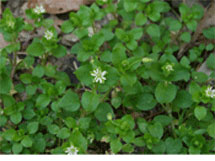 A couple of other notes: For best results, apply Clover Killer to the lawn in the morning (after dew has dried) on a sunny, calm day to allow maximum absorption of the weed killer. Higher temperatures result in a quicker uptake of this product for faster control. However, do not apply Crabgrass Killer if temperatures exceed 90 degrees. If daytime temperatures are expected to exceed 90 degrees, apply the product in early morning when it is cooler.The combination of Clover Killer and Wilt Pruf will take care of your weed problem!
Thursday, December 28, 2006
Early Spring Lawn Care Checklist
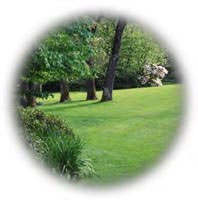 Spring is here and it is time to begin cultivating the 'Best Lawn on the Block'! The best indicator is the 'Early Blooming Forsythia'. Once you see Forsythia beginning to bloom, it is time to get serious about your lawn.
Springtime is a lawn's best friend, offering moderate temperatures, and consistent moisture. Unfortunately, spring conditions are also very friendly to our archenemy ---Weeds! Now is the best time to jump-start your lawn with the nutrients while controlling those pesky weeds.
Weed Control 101
Grass & weeds are in a constant battle for precious real estate in your yard. Remember that strong healthy grass will always be victorious over the weed. However, undernourished, or moisture depleted grasses, do not stand a chance! That is why it's vitally important to feed and irrigate your lawn.
Once established in Spring, crabgrass grows rapidly in hot weather and, chokes out the good grass as it spreads. When it gets a foothold, there's not much - short of hand-pulling the weed - that can be done to stop it.
Lawn Care Check List
1) Clean Up - It almost goes with out saying, but it's important to rake up the leaves, sticks, and other debris, that may have accumulated during the winter.
Spring is here and it is time to begin cultivating the 'Best Lawn on the Block'! The best indicator is the 'Early Blooming Forsythia'. Once you see Forsythia beginning to bloom, it is time to get serious about your lawn.
Springtime is a lawn's best friend, offering moderate temperatures, and consistent moisture. Unfortunately, spring conditions are also very friendly to our archenemy ---Weeds! Now is the best time to jump-start your lawn with the nutrients while controlling those pesky weeds.
Weed Control 101
Grass & weeds are in a constant battle for precious real estate in your yard. Remember that strong healthy grass will always be victorious over the weed. However, undernourished, or moisture depleted grasses, do not stand a chance! That is why it's vitally important to feed and irrigate your lawn.
Once established in Spring, crabgrass grows rapidly in hot weather and, chokes out the good grass as it spreads. When it gets a foothold, there's not much - short of hand-pulling the weed - that can be done to stop it.
Lawn Care Check List
1) Clean Up - It almost goes with out saying, but it's important to rake up the leaves, sticks, and other debris, that may have accumulated during the winter.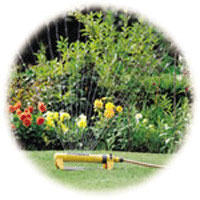 2) Mow your lawn as soon as weather permits. Yardiac.com recommends setting the mowing height slightly lower for the initial cut. This will allow more sunlight to reach the base of your grass enabling earlier 'greening'.
3) After the first cut, treat your lawn with a pre-emergent crabgrass preventer.
4) Feed Your Lawn with a good Lawn fertilizer!
Go Get'em Yardiacs!
2) Mow your lawn as soon as weather permits. Yardiac.com recommends setting the mowing height slightly lower for the initial cut. This will allow more sunlight to reach the base of your grass enabling earlier 'greening'.
3) After the first cut, treat your lawn with a pre-emergent crabgrass preventer.
4) Feed Your Lawn with a good Lawn fertilizer!
Go Get'em Yardiacs!
Friday, August 18, 2006
Weed Prevention for Lawns
 Is there anyone who likes weeds? Back in the 17th century, W.U. Shu appropriately wrote, "The only good dandelion is a dead one."
After all, what's to like? They're ugly, cause soil erosion, detract from the beauty and value of a home, interfere with landscape plans, some are sharp to the touch, and some are even poisonous.
Ever since man first started planting vegetables and cultivating lawns and gardens, the war on weeds has raged on. Over the years, some extreme means for dealing with weeds have evolved, from fires and floods to applying harmful gasoline products to the soil.
Today, the war on weeds is more civilized. Selective herbicides, which kill theweed but protect the surrounding grass and landscape, have come on the scene in recent years to help launch a more targeted offensive operation. This year, a new weapon is being introduced to the arsenal.
New Preen for Lawns is the first product that kills and prevents weeds in one step
while also providing a long-lasting, controlled-release fertilizer. This time-saving product effectively replaces two steps of traditional 4-step lawn care programs and eliminates weeds before they germinate -- so there's no more weed pulling, digging, burning or spraying.
Preen for Lawns can be applied to wet or dry lawns, which means there is no more
need to check and recheck the weather forecast for just the right conditions,
and no need to re-apply if the weather decides not to cooperate. In addition,
Preen can adapt to changing weather and moisture conditions, as well as a lawn's
changing nutrient needs.
Preen for Lawns not only eliminates multiple steps in your lawn care program,
but also eliminates weeds and fertilizes for up to four months, so only one
application per growing season is required. Preen also is better for the
environment, since it produces less leaching and runoff due to its advanced
chemical formulation which requires fewer pounds of chemicals per acre for
maximum effectiveness.
Is there anyone who likes weeds? Back in the 17th century, W.U. Shu appropriately wrote, "The only good dandelion is a dead one."
After all, what's to like? They're ugly, cause soil erosion, detract from the beauty and value of a home, interfere with landscape plans, some are sharp to the touch, and some are even poisonous.
Ever since man first started planting vegetables and cultivating lawns and gardens, the war on weeds has raged on. Over the years, some extreme means for dealing with weeds have evolved, from fires and floods to applying harmful gasoline products to the soil.
Today, the war on weeds is more civilized. Selective herbicides, which kill theweed but protect the surrounding grass and landscape, have come on the scene in recent years to help launch a more targeted offensive operation. This year, a new weapon is being introduced to the arsenal.
New Preen for Lawns is the first product that kills and prevents weeds in one step
while also providing a long-lasting, controlled-release fertilizer. This time-saving product effectively replaces two steps of traditional 4-step lawn care programs and eliminates weeds before they germinate -- so there's no more weed pulling, digging, burning or spraying.
Preen for Lawns can be applied to wet or dry lawns, which means there is no more
need to check and recheck the weather forecast for just the right conditions,
and no need to re-apply if the weather decides not to cooperate. In addition,
Preen can adapt to changing weather and moisture conditions, as well as a lawn's
changing nutrient needs.
Preen for Lawns not only eliminates multiple steps in your lawn care program,
but also eliminates weeds and fertilizes for up to four months, so only one
application per growing season is required. Preen also is better for the
environment, since it produces less leaching and runoff due to its advanced
chemical formulation which requires fewer pounds of chemicals per acre for
maximum effectiveness.
Tuesday, March 14, 2006
Waging War on Your Weeds

So, the weeds are getting to you! You neglected them and now the job is overwhelming. Here's a little advice: Don't even bother hiring the next-door neighbors' teenage son for a job of this proportion. He will work like a demon for one hour, and then just break the tops off the weeds. You will be right back where you started.
Weeds are what most of the gardeners I know complain about the most. There is no magic potion to insure they will never appear in your garden. Unless you are going to remove a large area of weeds, it is better for the garden, and for the earth, just bend down and pull or hoe them. If you consider the area too large to pull by hand, there are several solutions to your problem. My personal choice is to use as gentle a process as possible, since it's good for both you and your garden, but here I am going to address the chemical alternatives. Let's examine the types of weed killers available:
Contact Killers
Contact killers will kill only the part of the plant to which they have been applied. You spray it onto the leaves, and the leaf tissue is damaged so that the plant can't manufacture food. If there is a strong root system on the targeted weed, such as with nutsedge, burning the tops off the plant won't do you a bit of good. You may as well throw dollar bills at the darned thing. However, we do offer one, very innovative, post emergence weed killer, BurnOut Organic Weed Killer & Grass Control. BurnOut can be used to kill weeds and grass in gardens and orchards. It can be used on walkways, driveways, shrubbery beds and any where else as a post defoliant to control weeds and unwanted grass. Annuals are killed right away with BurnOut, while perennials may regenerate after a single application and require additional treatment.
Systemic Herbicides

Pre-Emergents
Selective Herbicides
Then there are the really bad boys, soil sterilents. These products not only kill the unwanted weeds (somewhat slowly), but they also sterilize the soil for up to one year. Nothing will grow in the treated area for the prescribed period of time.
Here are a few tips on using herbicides:
- Spray weeds when they first appear. It is much more difficult to kill them once they have gone to seed.
- Mix the herbicide of your choice according to the manufacturers directions. REMEMBER, MORE IS NOT BETTER. If they call for two ounces per gallon, that is what you must use. I knew a golf course superintendent who wanted to rid the fairways of Bellis (English daisy). He mixed the selective herbicide extra strong, to be sure and get them all. He wound up replacing the entire fairway on eleven of the eighteen holes.
- If you have only a few weeds to spray, please don't make up a full tank of herbicide. You will only wind up putting it down the drain, and that's not only wasteful, but also harmful to our environment. Mix only the amount you think you will use. Sometimes that will be as little as 1/4 gallon. Calibrate your measurements of the chemical accordingly.
- If you are spraying herbicides on to waxy-leafed weeds or ivy, add Wilt Pruf to the herbicide solution to act as a surfactant. It will help the chemical stick to the leaf until it can do its work. There is a new Round Up product (Round Up Pro) which contains a surfactant.
Here is my favorite tip for getting bindweed or oxalis out of your ground cover:
Cut the bottom off a 2 liter soda bottle. Mix the herbicide according to label directions. Gather the weed into the bottom of the soda bottle. Insert the spray nozzle into the top of the bottle and give the weed a good blast. Let the chemical drip for a few seconds, and remove the weed from the bottle. Move on to the next weed, and repeat. This is very tedious task, but it will take care of your weed problem. The herbicide will not touch the desired plant, targeting only the unwanted invader.
Always use your safety equipment (glasses and gloves) Remember, these are toxic chemicals. Use them with respect for yourself and the environment. I often see in magazine advertisements photos of people using sprayers with their respirators hanging around their necks in the upside down position. Martha Stewart was on the cover of one of her magazines with a paper dust mask spraying God only knows what with the darned respirator dangling around her neck!

I am not an advocate of herbicides. I feel they are overused and sometimes detrimental to the environment. However, there comes a time when you may have to use one to rid your garden of a particularly insidious pest, nut sedge or bindweed. In that case, they are an invaluable tool. But only a tool, not an answer. Please use all garden chemicals wisely. It's your planet too...
Don't miss the Yardiac Weed Identifier! It will help you to identify the weeds that you have, and show you how to eliminate them!
May your garden always be weed-free!
Thursday, June 16, 2005
Killing Clover & Chickweed
White clover can spread like a wildfire but with a few chemicals it can easily be controlled. White clover is found throughout the United States, it's a shallow rooted winter perennial legume which spreads by stolons or above ground runners. The plant takes root from the stolons at nodes along the stems when they come in contact with the soil. The white clover plant has compound leaves divided into three leaflets which are all joined at a central point and originate at the nodes along the stems. White clover is adapted to many soils but tends to grow best in soils that are moist and low in nitrogen. Clover is frequently a problem in lawns that are closely mowed and under fertilized.Now that you know the facts -- here is how to keep this nasty weed at bay:
The first step is to purchase Yardiac.com's Clover Killer -- it is new formulation to control common chickweed, clover, and mouse ear. It will kill the roots and all leaving the rest of your lawn in great condition.This chemical is formulated to specifically attack the roots! It is a Post-emergence control for grassy weeds and is safe for lawns. This concentrate and will cover up to 4,800 square feet!The second step is critical for optimal application -- always mix a "Spreader Sticker" with the weed killing chemical.The "spreader sticker" we recommend is called Wilt Pruf.
Mixing a spreader sticker (1 oz. per gallon) with a weed killer will ensure the chemical spreads over the entire foliage area and then sticks! As an added benefit, it will keep an application from washing off during an unexpected spring rain storm!Spot treat the areas that are infested. The weed should begin to wilt and brown within 5 days -- spot treat as needed every two weeks until you have killed off that nasty clover! It should not take more than 2-3 applications to wipe out event he most mature clover.A couple of other notes: For best results, apply Clover Killer to the lawn in the morning (after dew has dried) on a sunny, calm day to allow maximum absorption of the weed killer.
Higher temperatures result in a quicker uptake of this product for faster control. However, do not apply Crabgrass Killer if temperatures exceed 90 degrees. If daytime temperatures are expected to exceed 90 degrees, apply the product in early morning when it is cooler.The combination of these two products will take care of your weed problem!
Click Here to learn more about our chemical Clover Killer
Click Here to learn more about Wilt Pruf
Subscribe to:
Posts (Atom)


